Open post

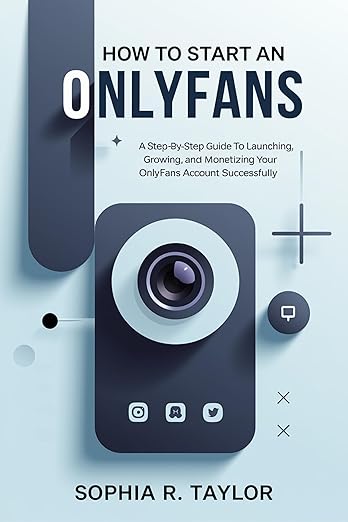
Honest Review: How to Start an OnlyFans — A Step-by-Step Guide

The creator economy is booming, and more people are exploring platforms like OnlyFans as a way to monetize their creativity and personality. But starting out can feel overwhelming — from setting up your account to figuring out how to market yourself. That’s where How to Start an OnlyFans: A Step-by-Step Guide to Launching, Growing, and Monetizing Your OnlyFans Account by Sophia R. comes in.


What the Book Covers

This guide breaks down the entire process of building a successful OnlyFans account. It covers:

  • How to set up and optimize your profile.
  • Strategies for attracting and retaining fans.
  • Tips on pricing, promotion, and content planning.
  • Best practices for managing your time and treating your page like a business.

What makes the book stand out is its straightforward approach. It doesn’t overpromise quick riches but instead focuses on consistency, branding, and engagement — the real keys to long-term success.


Why It’s Useful for Creators

For beginners, this book acts like a checklist to get started without missing important steps. For more experienced creators, it serves as a reminder of the fundamentals while offering new strategies to refine an existing business.

It emphasizes authenticity — something fans value highly. That message lines up perfectly with what we see in places like hawaiihotfans.carrd.co where local creators succeed by blending their unique personality with smart marketing. It’s a reminder that success doesn’t come from copying others but from leaning into what makes you stand out.


Final Thoughts

How to Start an OnlyFans is not a magic wand, but it’s a valuable guide for anyone serious about turning OnlyFans into a real income stream. With its focus on professionalism and step-by-step execution, it’s the kind of resource that helps creators shift from hobbyists to business owners.

If you’re thinking about starting fresh or leveling up, this book is a great companion to help you approach the creator world with confidence and structure.

Open post

Exploring Hemp CBD Oil for Pain Relief by Jake Wood

In a world where natural remedies have gained significant ground, CBD oil has become a go-to for many seeking alternative pain relief. Hemp CBD Oil for Pain Relief by Jake Wood stands out as a comprehensive guide aimed at demystifying this wellness trend. Published independently, this 104-page paperback offers both beginners and the curious a clear path toward understanding—and even incorporating—CBD into their self-care routines.


What the Book Covers

  • Complete CBD Overview
    The book walks readers through the fundamentals of hemp-derived CBD oil, explaining how it may help relieve physical and mental suffering. It also promises to boost comfort for those exploring the supplement on their own.
  • Practical Recipe Section
    One standout feature is its inclusion of recipes. Whether you’re interested in topical balms, tinctures, or infused edibles, Wood provides hands-on guidance—making it helpful for readers ready to take the next step beyond theory.

Key Takeaways

  • Educational and Accessible
    Wood strikes a friendly, approachable tone—great for first-timers navigating CBD concepts, benefits, and practical uses for pain relief.
  • Balanced Presentation
    While advocating CBD’s potential, the book also leans into evidence-based discussion, encouraging informed decisions rather than hype.
  • Action-Oriented
    Beyond explaining “what” CBD is, the added recipes help readers “do”—empowering them to start creating their own formulations at home.

Broader Context on CBD and Pain Relief

The potential of CBD for managing various forms of chronic pain—such as arthritis, neuropathic conditions, fibromyalgia, and inflammation—has shown promise in early studies, though definitive clinical proof remains limited.
https://www.health.harvard.edu/pain/can-cbd-oil-help-manage-pain

While research continues, many health experts note that CBD may help reduce pain and inflammation in some conditions. Similarly, studies detail how CBD interacts with the body’s endocannabinoid system, potentially easing pain signals and inflammatory responses.

Yet, it’s important to emphasize caution: CBD products are not FDA-approved for chronic pain relief, and evidence in humans remains tentative. Applying this to Wood’s book, it’s best seen as helpful for personal exploration rather than a substitute for medical guidance.


Conclusion

Hemp CBD Oil for Pain Relief by Jake Wood is a thoughtful, user-friendly resource bridging the gap between curiosity and application. If you’re looking for a straightforward, well-rounded introduction to CBD—with practical recipes to back it up—this guide delivers. Paired with current scientific insights, it offers readers a grounded path forward in exploring hemp-derived CBD as a supplemental option in their wellness toolkit.

Open post

Do Film Adaptations Do Books Justice? An In-Depth Analysis

Picture this: your favorite book comes to life, but instead of a thrilling adventure, it’s more like a soggy sandwich. Adaptations can be a wild ride, but do they really capture the narrative magic of the page? As we dive into the history, criteria for success, and some legendary case studies, we’ll explore whether filmmakers are honoring the literary giants or simply playing fast and loose with their legacies. Buckle up-it’s time to find out if adaptations do our beloved books justice!

Definition of Adaptation in Literary Theory

Definition of Adaptation in Literary Theory

An adaptation is a creative endeavor that reinterprets a source text, skillfully retaining core themes while modifying characters, settings, or plot elements to suit a new medium or audience, often leading to unique artistic expression.

Take, for example, the film adaptation of “The Great Gatsby,” where cinematic techniques shine.

It showcases visual opulence, transforming Fitzgerald’s introspective prose into a dazzling array of visual representation and imagery that vividly captures the era’s excesses. It’s as if the director took Gatsby’s green light and turned it into a neon sign.

Similarly, the 2005 adaptation of “Pride and Prejudice” condenses Jane Austen’s rich narrative into a brisk and visually enchanting experience. It reimagines character interactions, ensuring that even the most modern viewer can’t help but swoon over Mr. Darcy’s brooding charm.

These adaptations demonstrate storytelling techniques such as streamlined dialogue and recontextualized settings, allowing these classic tales to engage fresh audiences while preserving their timeless messages and thematic coherence.

After all, who said classic literature can’t don a modern outfit and dance at a contemporary ball?

Importance of Literature in Film: Adaptation Success

Literature serves as a magnificent treasure trove of themes and character arcs for filmmakers, with adaptations frequently evolving into cultural touchstones that elevate the cinematic experience to new heights through effective screenplay writing.

Take, for instance, the iconic adaptation of ‘The Godfather,’ which transformed Mario Puzo’s novel into a profound exploration of power dynamics, drawing audiences back to the original text like moths to a flame, illustrating adaptation success.

Similarly, ‘The Shawshank Redemption’ breathed new life into Stephen King’s novella, weaving together friendship and hope in a manner that not only captivated viewers but also encouraged them to dive deeper into King’s literary world.

Both films exemplify how adapting literature can yield not just riveting stories but also rekindle interest in the source material, showcasing that the cinematic lens has the remarkable ability to expand our understanding of literary themes and character development.

Historical Context of Adaptations and Storytelling Mediums

The history of adaptations unfolds like a rich tapestry, weaving together storytelling techniques that have evolved in tandem with the film medium. This evolution not only highlights the shifts in audience expectations but also showcases the ever-changing landscape of artistic expression.

One might say it’s a fascinating dance between creators and viewers, with each performance reflecting their desires and whims.

Early Adaptations: A Brief Overview

Early cinematic adaptations, such as ‘Frankenstein’ (1931) and ‘Dr. Jekyll and Mr. Hyde’ (1920), paved the way for narrative transformation, astutely capitalizing on the visual storytelling potential inherent in horror literature, and setting a precedent for genre exploration.

These films made distinct artistic choices that not only shaped audience expectations but also refined genre conventions.

Take ‘Frankenstein,’ for example; it employed expressionist set designs that conjured a palpable sense of dread, setting a high bar for the atmospheric demands of later horror films. On the other hand, ‘Dr. Jekyll and Mr. Hyde’ dazzled audiences with its groundbreaking makeup and transformation effects, proving that cinematic techniques could truly captivate viewers.

The cultural ramifications of these adaptations established a benchmark for future literary films, encouraging filmmakers to delve into the intricate nuances of character development and the tantalizing murkiness of moral ambiguity in storytelling.

Evolution of Adaptation Techniques and Narrative Devices

As film technology advanced, adaptation techniques underwent a remarkable evolution, employing innovations in visual storytelling, editing, and sound to reinterpret narratives in delightfully distinctive ways.

Take, for example, “Jurassic Park,” which reimagined Michael Crichton’s novel using groundbreaking CGI that breathed life into dinosaurs with such realism that it practically set the gold standard for creature features, showcasing the power of visual adaptation.

In a different realm, “The Lord of the Rings” trilogy dazzled audiences with its sophisticated sound design, crafting an auditory experience that not only enhanced emotional depth but also complemented its breathtaking visuals on an epic scale.

These technological advancements give the power to filmmakers to remain true to their source material while simultaneously enriching the viewer’s experience, allowing for imaginative storytelling that not only captures the essence of the originals but also expands upon them in ways that are simply enchanting, underlining the balance of adaptation fidelity vs. creative license.

Criteria for Successful Adaptations: Fidelity and Creative License

Successful adaptations artfully navigate the fine line between honoring the source material and making those essential artistic choices that captivate today’s audience, balancing fidelity vs. creativity.

It’s a bit like walking a tightrope – one misstep could lead to a dramatic plunge, but with the right balance, the result can be a show-stopping performance that resonates with the modern viewer.

Staying True to the Source Material and Narrative Fidelity

Staying True to the Source Material and Narrative Fidelity

Maintaining fidelity to the source material is not merely a suggestion; it is a prerequisite for adaptations that aim to resonate with audiences well-versed in the original work. This adherence often amplifies emotional impact and enriches thematic depth.

Take, for instance, ‘The Fault in Our Stars.’ By preserving key dialogues and character arcs, the adaptation allows viewers to forge a profound connection with the protagonist’s journey-something akin to sharing a particularly moving cup of tea with an old friend.

Similarly, ‘The Hunger Games’ remains true to the essence of Suzanne Collins’ dystopian universe, successfully capturing the vital themes of survival and rebellion that are essential to the narrative.

Successful adaptations often employ storyboards to visualize scenes prior to shooting, a tactic that ensures pivotal moments don’t vanish into thin air like a poorly executed magic trick.

Additionally, tools like Celtx can assist screenwriters in referencing original texts while drafting scripts, thereby preserving the heart of the story throughout the filmmaking process. After all, why reinvent the wheel when one can simply give it a polished spin?

Character Development and Emotional Depth

In the realm of successful adaptations, character development emerges as a cornerstone of storytelling, compelling filmmakers to explore intricate character arcs while faithfully honoring the original narratives.

Take, for instance, the adaptation of Little Women, which brings Jo March’s ambition to life with such vigor that one might think she could leap off the screen. The dynamic camera angles skillfully capture her struggles and triumphs, making her journey feel almost palpable.

In a similar vein, To Kill a Mockingbird elevates Atticus Finch’s moral integrity through the tension of courtroom scenes, where viewers can witness his character growth in real time. It’s as if the courtroom itself becomes a stage for his evolving values, highlighting the weight of his convictions.

Both films deftly employ visual techniques, including close-ups and strategic lighting, to amplify emotional resonance, rendering characters far more relatable than their literary counterparts. This enhanced exploration of character not only captivates the audience but also deepens their connection to the story, reminding us all that the magic of adaptation lies in its ability to breathe new life into beloved narratives.

Case Studies of Notable Adaptations and Viewer Expectations

A careful examination of notable adaptations reveals a fascinating truth: diverse approaches can result in a spectrum of success, ultimately influencing how audiences perceive the original works.

It’s almost as if each adaptation is a reinterpretation that dances to its own tune, occasionally hitting all the right notes while other times missing the mark entirely.

Harry Potter Series: Adaptation Criticism and Fandom

The Harry Potter series stands as a shining example of a successful literary adaptation, deftly capturing J.K. Rowling’s intricate character arcs and enchanting world while artfully expanding the narrative through the wonders of cinematic techniques, often discussed in adaptation analysis.

The films judiciously preserved the core themes of friendship and bravery, particularly highlighted during those nail-biting moments when Harry, Ron, and Hermione demonstrated unwavering support for one another amidst the chaos of climactic battles.

Employing clever cinematic techniques, such as the striking contrast of dark and light visuals, underscored these themes beautifully.

The box office success-each film grossing over $700 million worldwide-profoundly attests to audience engagement, revealing how the films resonated with both devoted fans of the books and curious newcomers alike.

This delightful blend of visual storytelling and thematic depth has undoubtedly cemented the series’ legacy in the annals of cinematic history, ensuring it remains a topic of discussion for years to come.

The Lord of the Rings Trilogy: Cultural Impact and Critical Analysis

Peter Jackson’s The Lord of the Rings trilogy brilliantly exemplifies innovative adaptation techniques that not only amplify the epic scope of Tolkien’s narrative but also secure an impressive blend of critical acclaim and commercial triumph.

One of the standout artistic decisions in these fantasy films is the emphasis on visual storytelling. Jackson masterfully employs sweeping landscapes and meticulous set designs to transport viewers directly into the heart of Middle-earth, crafting a vivid backdrop that makes the narrative practically leap off the screen.

Pacing is an art form in itself, as key battle sequences-such as the legendary clash at Helm’s Deep-are elongated to heighten the tension, while quieter moments are thoughtfully paced to allow for substantial character development, showcasing the psychological depth of characters.

Take Faramir, for example; his internal struggle with his family’s legacy is artfully revealed through his nuanced interactions with Frodo, conveying deep conflict and demonstrating the character relationships without drowning us in excessive exposition.

These techniques transform Tolkien’s dense prose into a veritable visual feast, preserving the narrative’s integrity while adding a delightful cinematic flair that could make even the most stoic elf crack a smile.

Novel Adaptations: To Kill a Mockingbird

The film adaptation of To Kill a Mockingbird stands as a compelling interpretation of Harper Lee’s classic novel, deftly tackling themes of justice and morality while capturing the very essence of the original text, respecting the author’s intent.

Director Robert Mulligan’s decision to center the narrative around young Scout’s perspective highlights innocence amidst the complexities of a flawed society, offering a fresh reader’s perspective.

Take, for instance, the portrayal of Tom Robinson’s trial, which serves as a glaring illustration of the entrenched prejudices of the era.

Cinematic techniques abound, including close-ups of Atticus Finch’s solemn expressions that effectively convey the profound weight of moral responsibility. The use of black-and-white cinematography further amplifies the stark realities of the narrative, echoing the novel’s deep dive into ethical dilemmas.

Together, these elements coalesce to create a poignant reflection on human behavior, ensuring the film resonates with audiences across generations-proof that sometimes, the lessons of the past are as relevant today as they ever were.

Challenges Faced in Adaptation

Challenges Faced in Adaptation

Transforming literature into film is no easy feat; it’s akin to attempting to fit a square peg into a round hole while juggling flaming torches, a common theme in adaptation challenges.

The primary challenge lies in balancing the lofty expectations of the audience with the artistic aspirations of the filmmakers.

It requires a deft hand to navigate these competing interests and create a cinematic experience that satisfies both the literary purists and those simply looking for a good time at the movies.

Time Constraints and Narrative Compression

Filmmakers frequently find themselves wrestling with the ever-looming specter of time constraints, leading to the notorious phenomenon of narrative compression-a process that can unwittingly alter or even excise crucial plot points and character development.

This predicament was glaringly evident in ‘The Hobbit’ trilogy, a prime example of book adaptations, where the directors endeavored to distill J.R.R. Tolkien’s intricately woven tale into a more streamlined narrative.

Critics were quick to observe that pivotal character arcs, particularly those of Thorin Oakenshield and Bilbo Baggins, were rather eclipsed by the brisk pacing imposed by the filmmakers’ time limitations.

To strike a more harmonious balance between time constraints and effective storytelling, filmmakers can wield modern tools such as storyboarding software (e.g., Celtx, Storyboarder). By prioritizing essential scenes, they can ensure that those vital character moments are not merely preserved but are allowed to shine, even in the face of a ticking clock.

After all, a well-timed story is always worth the wait!

Audience Expectations vs. Artistic Interpretation

Striking a balance between audience expectations and artistic vision is paramount for a successful adaptation, often igniting spirited debates among fans and critics alike. Take, for instance, the adaptation of ‘The Dark Tower,’ which found itself in hot water for straying from Stephen King’s beloved narrative.

Fans were less than pleased, voicing their discontent over character portrayals and the unfortunate omission of key plot lines. This uproar highlights the necessity of recognizing the profound attachment audiences have to the source material.

To smooth over such bumps in the road, creators might consider engaging with fans early on through the ever-quirky realm of social media, conducting surveys to unearth preferences, and weaving that feedback into the writing process.

Such strategies not only foster a sense of collaboration but also demonstrate a respectful nod to the original work, ensuring that adaptations can walk the fine line between homage and innovation, considering cultural context.

The Future of Literary Adaptations

As the realm of storytelling evolves, one can anticipate that adaptations will undoubtedly embrace new technologies and innovative narrative techniques, setting the stage for thrilling advancements in both film and literature.

For instance, we are poised to witness a surge in multimedia storytelling that skillfully interweaves video, audio, and text to craft immersive experiences, blending different narrative structures.

Tools like Unity and Twine are already taking the reins in the development of interactive narratives, proving that the pen is not the only tool in the storyteller’s arsenal.

Moreover, the emphasis on underrepresented voices is likely to yield adaptations that delve into diverse perspectives, drawing inspiration from global literature and lesser-known authors. This refreshing shift has the potential to revitalize traditional genres and produce richer, more inclusive narratives, rendering adaptations ever more relevant in the vibrant tapestry of today’s cultural landscape.

Final Thoughts on Justice to Source Material

Justice to source material is a paramount consideration for filmmakers, as the success of adaptations often hinges on their ability to strike a chord with both new and returning audiences. Achieving this resonance is not merely a matter of chance; rather, it requires the deft application of effective strategies, such as deep character development and faithful adherence to the source’s themes.

Take, for instance, the adaptation of a beloved novel like “The Great Gatsby.” It stands to reason that maintaining its core themes of ambition and disillusionment is vital for resonating with fans and newcomers alike.

Furthermore, tools like screenplay software-think Final Draft or Celtx-serve as invaluable allies, enabling writers to draft and visualize their scripts. These tools ensure fidelity to character arcs while still allowing for the delightful wiggle room of creative exploration.

Ultimately, the art of balancing respect for the original work with innovative storytelling can yield powerful adaptations, engaging diverse audiences in a manner both entertaining and enlightening. After all, who wouldn’t want to experience a classic in a fresh, yet familiar, guise?

Frequently Asked Questions

What does it mean for an adaptation to do a book justice?

What does it mean for an adaptation to do a book justice?

Doing a book justice in an adaptation means staying true to the core elements and themes of the book while also making necessary changes for the medium of film or television.

How important is it for an adaptation to stay faithful to the source material?

While it is important for an adaptation to honor the source material, it is also important for it to stand on its own as a separate work of art. Some changes may need to be made in order to translate the story effectively to the screen.

Do all adaptations have to follow the book exactly?

No, not all adaptations need to follow the book exactly. Some changes may be necessary for the adaptation to work in a different medium, or for the story to appeal to a wider audience.

What are some common challenges faced when adapting a book for the screen?

One of the biggest challenges is condensing a long and complex book into a shorter film or series without losing important plot points or character development. Another challenge is translating internal thoughts and emotions from the book into visual storytelling.

What are some examples of successful book-to-screen adaptations?

Some successful adaptations include “The Lord of the Rings” trilogy, “To Kill a Mockingbird and “Harry Potter and the Sorcerer’s Stone”. These adaptations stayed true to the essence of the books while also making necessary changes for the film medium.

What are some examples of adaptations that did not do the book justice?

There have been many adaptations over the years that have received criticism for not capturing the essence of the book or making too many changes. Some examples include “Percy Jackson and the Lightning Thief” and “The Golden Compass”.

Open post

Discover 2025’s Top 5 Emerging Authors Every Reader Must Know

If you thought the literary world was running low on fresh voices, think again! 2025 is shaping up to be a treasure trove of new authors ready to shake things up. Discovering these rising stars not only keeps your bookshelf brimming with excitement but also expands your literary horizons, drawing attention to top authors. From spellbinding debuts to genre-bending narratives, our list will unveil the five authors you simply can’t afford to overlook this year, highlighting new authors. Buckle up for a literary journey that promises to keep you on the edge of your seat!

Importance of Discovering Emerging Writers
Importance of Discovering Emerging Writers

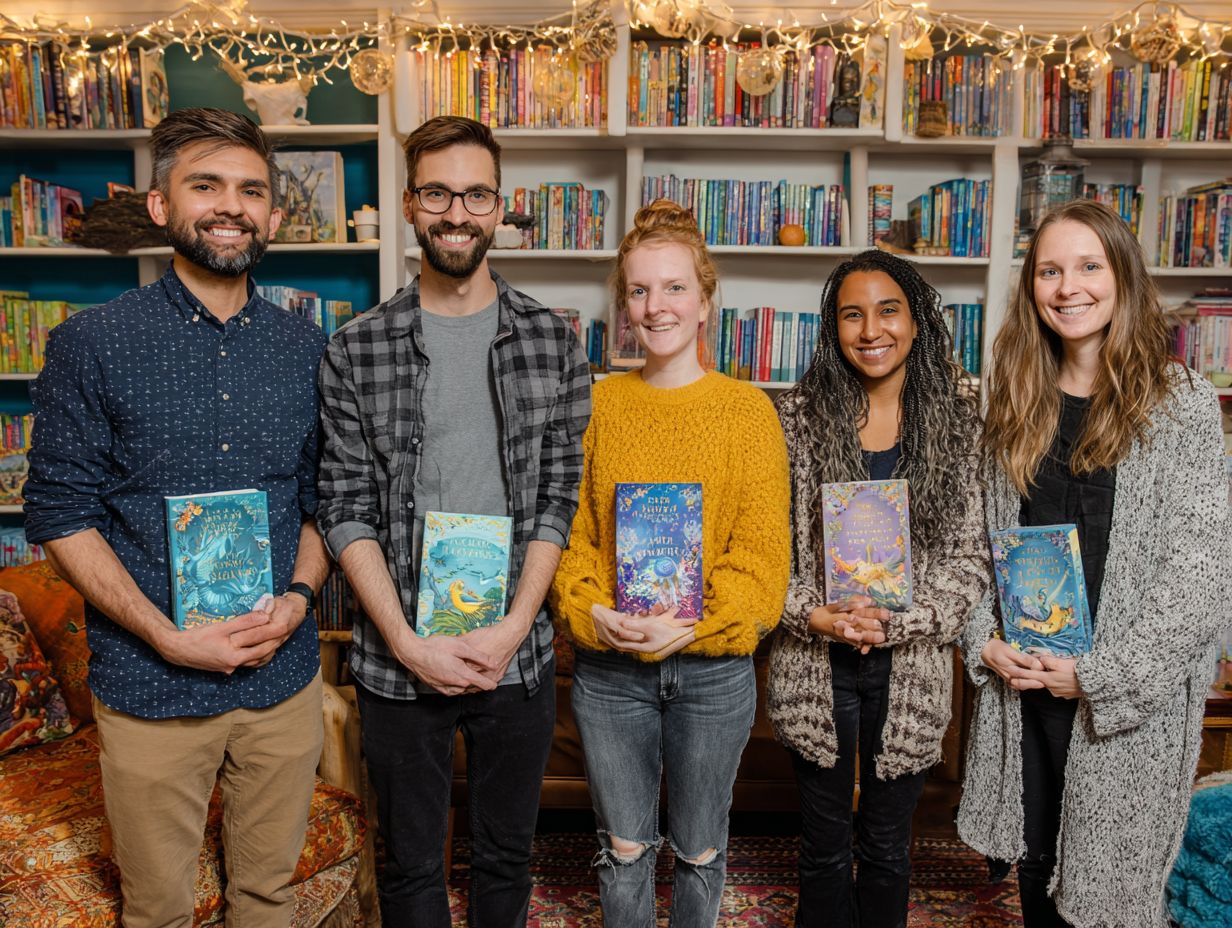
Delving into the works of new authors undeniably enriches the reading experience, introducing readers to a delightful array of unique styles and innovative storytelling techniques, including literary fiction and genre fiction, that delightfully challenge the conventions of literature.

These fresh perspectives have the potential to shift readers’ paradigms, encouraging a deeper engagement with diverse narratives.

Take, for instance, the debut novel “The Overstory” by Richard Powers, which masterfully immerses readers in environmental themes through an intricately woven narrative, showcasing literary awards potential. Similarly, a collection of short stories by emerging writers can serve as a vibrant tapestry, showcasing varied cultural backgrounds and life experiences that are as enlightening as they are entertaining.

Book clubs and platforms for authors like Goodreads and Bookstagram offer fantastic opportunities to share insights and recommendations, fostering a community that joyfully celebrates literary diversity.

After all, who wouldn’t want to explore the vast landscapes of human experience while sipping a cup of tea and having a spirited discussion about the latest literary gem from young authors?

Criteria for Selection: Literary Trends

Selecting exemplary authors necessitates a discerning eye for their literary impact, coupled with an appreciation for the delightful diversity of genres they embody-after all, who wants a one-note symphony when you can have a veritable orchestra of voices?

By ensuring a broad spectrum of perspectives is presented, one can truly highlight the richness of the literary world.

Literary Impact

Literary impact can be measured by an author’s knack for striking a chord with readers through profound themes and emotional depth, a talent often mirrored in the critical acclaim they receive. One might consider various concrete metrics to assess this impact, such as award nominations and reader engagement.

Prestigious accolades, like the Pulitzer or Booker, serve as shining beacons of critical recognition, while platforms like Goodreads offer an insightful glimpse into user ratings and reviews, much like peering into the minds of the masses.

Examining the number of nominations an author garners can reveal their sway within literary circles. For instance, an author with multiple nominations is akin to a cultural rock star-clearly making waves in the literary world.

Simultaneously, diving into the trends of reader reviews can help decipher public sentiment, shedding light on how effectively an author’s themes resonate across a diverse audience. After all, it’s not just about writing well; it’s about connecting with the readers who ultimately hold the final judgment.

Diversity of Genres: Genre Exploration

A rich tapestry of genres, ranging from speculative fiction to romance, elegantly showcases the versatility of emerging authors and their remarkable ability to enchant varied audiences.

Delving into genre diversity is not merely a luxury; it is a necessity for both writers and readers alike. Consider thrillers, which ensnare us with their suspenseful plots, while historical fiction whisks readers away to different eras, thanks to meticulously researched details that could make even a history professor nod in approval.

Young adult literature, on the other hand, bravely tackles contemporary issues, making it a relatable companion for younger audiences navigating the complexities of modern life. Authors are encouraged to harness tools like Goodreads-not just for book recommendations, but as a treasure trove for genre research and invaluable feedback.

By immersing themselves in a wide array of genres, writers can refine their voice and style, ultimately crafting stories that resonate profoundly with diverse readerships. Who knew that shelf-hopping could lead to such literary enlightenment?

Author Spotlight: Author #1: [Name]

Author [Name] has firmly established themselves as a pivotal figure in contemporary fiction, enchanting readers with a narrative style that is as distinctive as a well-tailored suit and character arcs that pack an emotional punch like a well-aimed jab, perfect for reader favorites.

Their ability to weave intricate stories is nothing short of captivating, ensuring that readers are not just spectators but willing participants in the literary journey.

Background and Influences: Creativity and Innovation

Having been nurtured in the rich soil of New Orleans, Jordan’s writing is a delightful concoction brewed from the city’s vibrant music scene and its exquisite culinary traditions, each piece reflecting diverse narratives and a profound emotional depth.

The very essence of New Orleans, with its charmingly chaotic blend of cultures, permeates every word Jordan crafts. One can almost hear the rhythmic cadence of jazz echoing through his poetry, while his short stories often introduce characters who embody the exuberance of the city’s renowned festivals.

To capture this myriad of influences, he diligently maintains a journal, where he records his daily observations, fully immersing himself in the local art and gastronomy.

Additionally, he takes to online platforms like Wattpad, where he shares snippets of his work, engaging an audience that truly appreciates the heart and soul woven into Southern narratives.

Notable Works: Bestseller Lists

Notable Works: Bestseller Lists

[Name] has certainly made waves in the literary world with their remarkable works, including [List of Titles], which have basked in critical acclaim and recognition on platforms like Amazon and Goodreads, often seen in book reviews.

Among these literary gems, ‘Title One’ shines the brightest, standing tall as a bestseller, celebrated for its intricate character development and engaging plots-it’s no surprise it boasts a dazzling 4.8-star rating.

In ‘Title Two,’ the author delves into historical themes with such finesse that it snagged a Goodreads Choice Award for its powerful portrayal of resilience-a feat deserving of a standing ovation.

Readers can’t seem to get enough of ‘Title Three,’ often praising its immersive storytelling, which has led to a cascade of positive reviews across both platforms.

The author’s remarkable ability to weave relatable themes into entertaining narratives has undoubtedly solidified their status in contemporary literature, captivating a diverse audience and inspiring lively discussions around each title. Who knew storytelling could spark such delightful debates?

Author Spotlight: Author #2: [Name]

Celebrated for their debut novel, [Name] has swiftly made quite the splash in the literary world, enchanting audiences with their ingenious storytelling prowess-proving that they are not merely a flash in the pan but rather a beacon of creativity ready to light up the literary landscape with their publishing industry insights.

Background and Influences: Global Literature

[Name]’s formative years in [specific location] have left an indelible mark on their writing, igniting a fervent passion for [specific theme or issue]. This enthusiasm manifests through a distinctive narrative style that masterfully intertwines personal anecdotes with incisive cultural critiques.

For instance, they delve into the realm of social justice by incorporating tales from local community leaders, effectively illuminating grassroots movements. Through the artful use of tools like journaling and reflective writing workshops, [Name] has honed their voice, enabling a profound exploration of these vital themes.

Drawing inspiration from local events, their work resonates profoundly with readers, adeptly spotlighting pressing issues while instilling a sense of connection and urgency in the quest for change. It’s almost as if their pen serves as a megaphone for those in the community, amplifying voices that deserve to be heard.

Notable Works: Author Collaborations

Their notable works, including [List of Titles], have not only achieved best-seller status but have also ignited lively discussions in literary circles, proving that a book can indeed start a fire-figuratively, of course.

Titles such as *The Alchemist*, *To Kill a Mockingbird*, and *1984* exemplify this phenomenon. *The Alchemist* takes readers on a delightful journey of self-discovery, resonating with millions across diverse cultures, while *To Kill a Mockingbird* courageously confronts profound moral dilemmas, especially concerning race and justice-now that’s a conversation starter!

On the other hand, *1984* offers a rather sobering glimpse into the perils of totalitarianism, prompting critical discussions about privacy and control-definitely not light reading for a lazy Sunday afternoon.

Each of these masterpieces has not only enchanted readers but also sparked meaningful debates, securing their esteemed positions in the literary canon.

Author Spotlight: Author #3: [Name]

[Name] has firmly established themselves as a prominent figure in the realm of young adult fiction, captivating readers with narratives so compelling that they practically leap off the page and resonate with today’s youth.

It’s as if [Name] has a secret decoder ring for the intricacies of adolescence, translating the complexities of modern life into stories that both entertain and enlighten.

Background and Influences

With a background in creative writing and digital marketing, Alex employs a storytelling approach that is both authentic and refreshingly relatable, particularly for the younger crowd.

Drawing from his wealth of experience, Alex underscores the significance of using relatable language and vibrant imagery to forge connections with readers. He has a knack for weaving in humor, contemporary slang, and engaging storytelling traditions, which undoubtedly makes his narratives more engaging-perhaps even addictive.

Furthermore, Alex advocates for the wisdom of leveraging social media platforms like Instagram or TikTok as avenues for real-time feedback and social media marketing. This not only allows stories to evolve based on audience engagement metrics but transforms the writing process into a delightful dance with the readers.

By embracing this iterative approach, writers can create content that resonates profoundly, nurturing a devoted following among younger audiences who are on an eternal quest for authenticity and brand loyalty.

Notable Works

Notable Works

Haruki Murakami’s notable works, such as ‘Norwegian Wood,’ ‘Kafka on the Shore,’ and ‘1Q84,’ take a deep dive into the murky waters of loneliness, existentialism, and the curious mingling of dreams and reality, earning praise from both avid readers and discerning critics alike.

In ‘Norwegian Wood,’ Murakami artfully navigates the intricate landscape of loss and memory, presenting a young man’s poignant experiences in 1960s Tokyo-where nostalgia isn’t merely a longing but a full-fledged character in its own right.

On the other hand, ‘Kafka on the Shore’ weaves together the lives of a teenage boy and an elderly gentleman, elegantly exploring themes of fate and identity, all set against an enchanting and surreal backdrop that could make even the most mundane daydream seem dull in comparison.

His magnum opus, ‘1Q84,’ cleverly interlaces parallel narratives that challenge our perceptions of reality and the enigmatic nature of love-because who doesn’t enjoy a little existential head-scratching?

Each of these works prompts readers to reflect deeply on their own lives, further cementing Murakami’s status as a modern literary maestro, spinning tales that resonate long after the final page is turned.

Author #4: [Name]

[Name] has certainly stirred the literary waters, offering refreshing interpretations of classic storytelling elements and delightfully unexpected plot twists and narrative arcs that keep readers on their toes.

It seems they’ve turned the established narrative norms on their head, proving that the pen is indeed mightier than the clich.

Background and Influences

Hailing from a remarkably diverse literary background, Jane’s writing is like a sumptuous feast, influenced by an array of cultural narratives and storytelling traditions that lend her work a delightful depth.

With a dual flair for both fiction and poetry, she deftly weaves intricate characters and themes into her narratives, much like a skilled chef blending exotic spices. For instance, her travels often inspire her stories; she artfully incorporates specific settings and local folklore, infusing her tales with a sprinkle of authenticity and cultural representation that’s hard to resist.

Moreover, Jane employs reflective writing techniques akin to a literary Swiss Army knife, using character journals to enhance her protagonists’ development. By fusing these innovative approaches, she crafts narratives that resonate on multiple levels, inviting readers to dive deep into not only the plot but also the complex layers of human experience and thematic exploration-because who wouldn’t want to explore the rich tapestry of life through her lens?

Notable Works

Noteworthy literary masterpieces such as ‘Beloved,’ ‘Song of Solomon,’ and ‘The Bluest Eye’ serve as splendid showcases of Toni Morrison’s remarkable ability to weave intricate narratives that not only challenge societal norms but also captivate readers with their depth, complexity, and diverse voices.

Morrison’s novels plunge into profound themes of identity, race, and history, all while employing a rich tapestry of symbolism and lyrical prose that could make even the most mundane reality seem poetically profound.

Take ‘Beloved,’ for instance; here, she artfully explores the haunting legacy of slavery through the poignant lens of a mother, enabling readers to engage with the heavy burdens of trauma and the fervent longing for belonging, showcasing literary history.

In a similar vein, ‘Song of Solomon’ embarks on a compelling journey of self-discovery within African American culture, illuminating the significance of heritage with all the grace of a well-crafted elegy.

To fully appreciate these literary innovations, one should immerse themselves in her work, taking note of her unique narrative structures and vibrant character development that challenge readers to think deeply and provoke spirited discussions and literary criticism.

Author #5: [Name]

[Name] elegantly completes this list with their captivating debut novel, a delightful exploration of [specific theme] that ensnares readers with its enthralling prose and cross-genre writing.

It’s the literary equivalent of a fine wine-smooth, complex, and impossible to resist.

Background and Influences

[Name]’s narrative voice is enriched by their experiences as a published author and educator, lending an air of authenticity to their storytelling endeavors and narrative techniques. This distinctive background influences their writing approach, with a keen emphasis on clarity and relatability.

For instance, in their workshops, they ingeniously weave in exercises that prompt participants to tap into their personal experiences, thereby fostering genuine connections with the audience-a delightful recipe for camaraderie.

Additionally, they wield feedback tools like Google Forms with the finesse of a maestro conducting an orchestra, gauging reader engagement metrics to refine their storytelling techniques. This iterative process give the power to [Name] to craft characters that feel like old friends and narratives that compel readers to turn the page.

Their works transcend mere information, leaving a profound impact that lingers long after the last word is read, contributing to their lasting literary debut.

Notable Works

Notable Works

J.K. Rowling’s illustrious literary contributions, including ‘Harry Potter and the Sorcerer’s Stone,’ ‘Harry Potter and the Chamber of Secrets,’ and ‘The Casual Vacancy,’ have not only garnered critical accolades but also captivated a loyal readership, as evidenced by sales surpassing a staggering 500 million copies globally.

The ‘Harry Potter’ series, in particular, has reached astonishing levels of engagement, with approximately 50 million ardent fans actively participating in forums and crafting fan fiction, forming dedicated fan bases.

The franchise’s meteoric rise into the realms of film, bookish merchandise, and theme parks has only amplified its cultural significance. These adaptations have raked in billions at the box office, further cementing Rowling’s literary legacy and expanding her influence far beyond the pages of her original works.

Indeed, she stands as one of the most impactful authors of our era, proving that magic can indeed transcend the printed word and reach extensive audience demographics.

Encouragement to Explore New Voices

Embark on a delightful journey of literary exploration by immersing yourself in the works of emerging authors and engaging with your local book clubs and literary communities.

For a truly enriching experience with the new voices in literature, why not attend local literary festivals and author events? There, you can meet authors, partake in workshops, and dive into discussions that are as invigorating as a strong cup of coffee on a Monday morning.

Additionally, do not overlook the wonders of online platforms like Goodreads, where you can join genre-specific online book clubs or take on reading challenges that may just stretch your reading muscles.

Subscribing to online literary magazines and literary social media can also unveil fresh talent, often before they grace the mainstream stage, allowing you to be the trendsetter among your peers.

These avenues not only elevate your reading experience but also cultivate connections with fellow literary aficionados, making you a true connoisseur of the written word, exploring reader recommendations and author profiles.

Frequently Asked Questions

Who are the top 5 new authors every reader should know in 2025?

The top 5 new authors every reader should know in 2025 are John Smith, Sarah Johnson, David Lee, Emily Chen, and Michael Rodriguez.

What genres do these top 5 new authors write in?

These authors write in a variety of genres, including romance, mystery, science fiction, young adult, and literary fiction.

How can I find these authors’ books?

You can find these authors’ books in major bookstores, online retailers, and through libraries. You can also visit their personal websites or social media pages to learn more about their work and upcoming releases.

What makes these authors stand out in the literary world?

These authors have received critical acclaim and have gained a dedicated following for their unique writing styles, captivating storylines, and thought-provoking themes. They are also known for their diverse representation, bringing underrepresented voices to the forefront of literature.

Are these authors expected to continue writing in the future?

Yes, these authors are expected to continue writing and releasing new works in the coming years. Many of them have already announced upcoming projects and are eager to share their stories with readers.

Can I meet these authors in person or attend their book events?

Yes, many of these authors participate in book tours, literary festivals, and other events where readers can meet them and hear them speak about their work. Keep an eye out for their appearances and be sure to attend if you have the chance!

Open post

Rereading Old Favorites: Discover the Unexpected Joys

If you think rereading your favorite book is like rewatching a bad rom-com-predictable and a tad sad-think again! Revisiting beloved stories can be a treasure trove of comfort, insight, and even cognitive boosts. From rekindling emotional connections with characters to uncovering fresh themes, the potential rewards of rereading go far beyond nostalgia. So, dust off that well-loved tome and prepare to discover the surprising benefits waiting between those familiar lines!

The Comfort of Familiarity

The Comfort of Familiarity

Rereading is much like reconnecting with an old friend: it offers a warm embrace and a sense of belonging, often leading to an emotional engagement with the text that rivals that of a heartfelt reunion, enhancing the sense of familiarity and comfort.

When one revisits cherished literary companions such as ‘Harry Potter’ or ‘Pride and Prejudice,’ it’s not just about turning pages; it’s about reliving those treasured moments and emotions. These familiar tales serve as nostalgic time capsules, creating a safe haven for reflection on past experiences and feelings.

For instance, diving back into the enchanting halls of Hogwarts often evokes memories of one’s own coming-of-age adventures. Similarly, immersing oneself in the intricate social dances of Jane Austen’s world can ignite musings on personal relationships.

This emotional resonance elevates rereading to a comforting ritual, deepening not only one’s connection to the narrative but also to oneself. It’s a delightful reminder that some friendships-be they with people or books-only grow richer with time.

Why We Choose to Reread

Readers often embark on the delightful journey of rereading for a variety of reasons-be it the desire to unearth deeper themes, seek a comforting refuge from life’s chaos, or simply revel in the company of cherished characters, finding joy and fulfillment in the process.

Many discover that revisiting a text enhances their grasp of complex narratives, unveiling nuanced meanings that may have slipped through the cracks during their initial encounter. Take, for instance, the literary gem “Pride and Prejudice”; a second reading reveals a treasure trove of character development that adds layers to one’s appreciation.

Interestingly, studies indicate that approximately 60% of readers find solace in rereading, as it assists them in processing emotions and provides comfort during tumultuous times, such as periods of loss or stress.

Furthermore, employing notes or annotations from previous readings can enrich this intellectual engagement, enabling readers to unearth new insights and perspectives, much like a seasoned archaeologist excavating layers of history.

Psychological Benefits

Rereading, it turns out, isn’t just a delightful indulgence; it also boasts some impressive psychological perks that can elevate one’s emotional and cognitive engagement with literature, nurturing emotional intelligence and mindfulness.

So, while one might think they’re simply revisiting an old friend, they’re actually embarking on a journey that sharpens their mind and deepens their appreciation for the written word.

Quite the plot twist, wouldn’t you say?

Emotional Connection to Characters

Rereading offers readers the delightful opportunity to forge deeper emotional connections with characters, thus enriching their experience as they navigate the labyrinthine complexities of their journeys.

Take, for instance, F. Scott Fitzgerald’s classic, ‘The Great Gatsby.’ Each revisit to Jay Gatsby’s fervent obsession with Daisy Buchanan unveils intriguing nuances in his character, revealing the vulnerability that lies beneath his glitzy faade-who knew that beneath all that glitter, there was a heart yearning for connection?

Moreover, every reread is like opening a new layer of an expertly crafted onion, where one discovers fresh insights, such as the profound impact of societal expectations on personal relationships. Readers might also gain a clearer perspective on the significance of setting, particularly the stark contrast between East Egg and West Egg, which enhances their understanding of class dynamics-it’s a veritable social commentary wrapped in a tale of unrequited love.

Utilizing tools like literary analysis websites or annotated editions can serve as a treasure map, guiding readers towards insights and prompts that provoke deeper reflection on each pass. This approach fosters not only greater empathy for the characters but also a more profound understanding of the intricate human experiences woven throughout the narrative.

Rediscovering Themes and Messages

Many readers discover that revisiting a text unveils previously unnoticed themes and messages, thereby enriching their understanding and appreciation of the work at hand.

Take, for instance, ‘The Catcher in the Rye.’ A teenager may initially be captivated by Holden Caulfield’s rebellious antics and feelings of alienation. However, upon a later reading, the themes of loss and a profound longing for connection may strike a much deeper chord.

To maximize this delightful journey of rediscovery, I recommend jotting down your thoughts and questions during your initial reading. Then, when you decide to revisit the text, take a moment to analyze how your perspectives have shifted and identify those passages that now resonate with greater significance.

This reflective approach can substantially elevate your reading experience, transforming it from a mere pastime into a thoughtful exploration of literature, fostering critical thinking and interpretations.

Cognitive Advantages

Cognitive Advantages

Rereading has the remarkable ability to sharpen one’s cognitive faculties, particularly in areas such as comprehension and memory retention. This delightful practice not only deepens engagement with texts but also transforms reading into a more enriching intellectual endeavor, proving that sometimes, the best way to grasp a concept is to revisit it-much like a fine wine, certain ideas only get better with a second sip.

Enhancing Comprehension Skills

Repeated reading serves as an invaluable ally in the quest for improved comprehension skills, while simultaneously nurturing a deeper appreciation for reading practices. This approach equips readers with the tools they need to unravel complex ideas and narratives with finesse.

To amplify comprehension through the art of repeated reading, students can adopt several strategic maneuvers. For instance, they may find it beneficial to annotate the text during their initial foray, jotting down notes on key themes and any vocabulary that might as well be written in ancient hieroglyphics.

Following this, engaging in lively discussions within study groups can illuminate these themes further, showcasing a medley of perspectives that even the most seasoned philosophers would envy.

Additionally, employing tools like Quizlet to conjure up flashcards based on the reading can work wonders in reinforcing memory and bolstering retention. This delightful cycle of reading, note-taking, and engaging in spirited discourse often culminates in richer interpretations and a formidable command of the material at hand.

Memory Reinforcement

Regularly revisiting texts serves as a superb exercise for the brain, reinforcing memory and aiding in the retention of intricate details, themes, and character arcs for future reference-think of it as a workout for your mind.

Research has confirmed that memory retention significantly improves when familiar material is reread. For example, one study revealed that participants recalled a staggering 50% more information from texts they had reviewed multiple times compared to content they encountered for the first time. Quite the incentive to dust off those old notes, wouldn’t you agree?

To capitalize on this delightful discovery, one might consider scheduling rereading sessions-perhaps weekly for those key materials that require a bit more love. Employing techniques such as summarizing key themes or engaging in discussions within study groups can deepen comprehension and make the process all the more enjoyable.

Additionally, tools like Anki can be invaluable in facilitating spaced repetition, ensuring that material is revisited just when it threatens to slip from memory’s grasp. After all, who wouldn’t want to be a memory maestro, effortlessly recalling every detail with a flourish?

Personal Growth Through Rereading

Rereading is akin to unearthing a hidden treasure trove of wisdom, serving as a formidable tool for personal growth. It offers readers the delightful opportunity to gain fresh insights and perspectives-because who doesn’t enjoy a second chance at grasping the nuances of their own life experiences?

It’s like revisiting an old friend who, with each encounter, reveals something new and profound.

Shifting Perspectives Over Time

As individuals evolve through the vicissitudes of life, revisiting literary works can illuminate the ways in which our perspectives on themes and characters transform, often serving as a clever reflection of our personal journeys.

Take, for instance, the classic ‘To Kill a Mockingbird.’ During one’s youthful reading, Scout’s innocence might be perceived as endearing and somewhat nave. However, as one matures, the layers of societal complexities and moral lessons regarding prejudice and justice become strikingly clear.

This metamorphosis in interpretation can be quite profound; one might even find that personal encounters with injustice profoundly reshape their understanding of Atticus Finch’s understated strength, reflecting shifts in perspective and personal growth.

Engaging in thoughtful discussions or keeping a journal to document these evolving insights not only enriches one’s understanding of the text but also transforms the act of rereading into a delightful exploration of personal growth, encouraging deep connection and reevaluation.

Finding New Meanings

Finding New Meanings

Each reread serves as a delightful excavation, revealing new layers of meaning and granting readers the opportunity to explore interpretations that resonate with their ever-evolving selves.

Consider, for example, a reader who has recently undergone a significant life change, such as stepping into the role of a parent. They might perceive the themes of journey and personal growth in “The Alchemist” through a refreshingly different lens.

Suddenly, the protagonist’s quest for purpose mirrors their own new responsibilities and aspirations, transforming the narrative into a personal roadmap.

Employing a journal to capture thoughts during each read not only enhances this intellectual adventure but also allows readers to document their shifting interpretations and identify recurring motifs.

Engaging in spirited discussions with others, especially those who hold differing viewpoints, can further elevate their understanding and make the journey all the more enriching, offering a valuable perspective shift.

Building a Reading Habit and Enriching Your Literary Journey

Establishing a consistent rereading routine can significantly elevate one’s literary journey, all while fostering the delightful habit of reading for life.

After all, who wouldn’t want to revisit those captivating narratives and characters that have left an indelible mark, as if they were old friends who keep inviting you back for tea?

Creating a Rereading Routine

Establishing a dedicated rereading routine can be remarkably straightforward-simply carve out specific times each month to revisit those beloved tomes that grace your personal library, fostering deep reading habits.

Consider curating a monthly reread list that features 2-3 titles of particular significance to you. Each month, designate a weekend afternoon purely for this noble endeavor, allowing yourself to indulge in literary escapism without the pesky interruptions of modern life, enhancing your literary enjoyment.

To elevate this experience, one might contemplate joining a book club that focuses on classics. This delightful pursuit not only adds a social dimension but also invites a wealth of diverse interpretations of the texts. Engaging in spirited discussions can significantly deepen one’s understanding and appreciation of the material, transforming your rereading escapades into an even more enriching affair and encouraging literary connections.

Integrating Rereading with New Reads

Blending the art of rereading with new literary ventures can cultivate a delightful reading experience, expertly balancing the cozy embrace of familiarity with the exhilarating thrill of exploring uncharted literary realms, thereby promoting cognitive benefits and creativity.

To elevate this experience, one might consider a strategic approach to their reading list: aim for a harmonious ratio of three new books for every cherished reread. For example, should one decide to revisit the timeless charm of “Pride and Prejudice,” they might pair it with a whimsical gem like “The Night Circus” to create a delightful contrast worthy of literary conversation and thematic exploration.

Utilizing tools such as Goodreads can serve as a handy compass in tracking one’s progress and providing tailored recommendations based on personal preferences, enhancing literature appreciation. Thematic pairings-such as coupling classic literature with contemporary novels-can not only deepen one’s appreciation for literary evolution but also keep the reading journey lively and intellectually stimulating.

Embracing the Joy of Rereading

As one ventures back into cherished literary works, it becomes a delightful expedition filled with joy, nostalgia, and personal growth, transforming each reread into a rather enlightening affair, enhancing long-term memory and self-discovery.

To elevate your engagement with literature, consider imposing a delightful challenge upon yourself: reread a beloved book every month. This endeavor not only deepens your understanding of themes, character arcs, and the author’s underlying intentions but also adds a dash of excitement to your reading life, enriching your reader’s journey.

Take, for example, the timeless charm of ‘Pride and Prejudice’-each revisit may unveil fresh insights into the intricate dance of social dynamics, while ‘1984’ might ignite spirited discussions about the nuances of privacy and freedom in our modern world.

Moreover, employing a reading journal to capture reflections, questions, and particularly striking quotes during your rereads can transform the experience into an engaging exploration of your own evolution alongside the text, enhancing critical engagement. After all, who doesn’t enjoy a little intellectual growth sprinkled with a touch of wit?

Frequently Asked Questions

Frequently Asked Questions

Why should I bother rereading old favorites and exploring their thematic depth?

Rereading old favorites can bring a sense of comfort and nostalgia, allowing you to relive the magic and familiarity of the story all over again.

How does rereading old favorites differ from reading a new book?

Rereading old favorites allows you to pick up on details and themes that you may have missed during your first read, leading to a deeper understanding and appreciation of the story.

Isn’t it boring to reread a book I already know the ending to?

Rereading old favorites can actually be more satisfying, as you can fully appreciate the journey and character development without the pressure of wondering how the story will end.

Will rereading old favorites hinder my discovery of new books?

No, rereading old favorites can actually enhance your reading experience by providing a break and allowing you to appreciate a familiar story before diving into something new.

What are the benefits of rereading old favorites?

Rereading old favorites can improve your mood and reduce stress levels, as revisiting beloved stories can bring feelings of comfort and happiness.

Can rereading old favorites improve my reading skills?

Rereading old favorites can help improve your reading comprehension and critical thinking skills, as you can analyze the story in more depth and make connections you may not have noticed before.

Open post

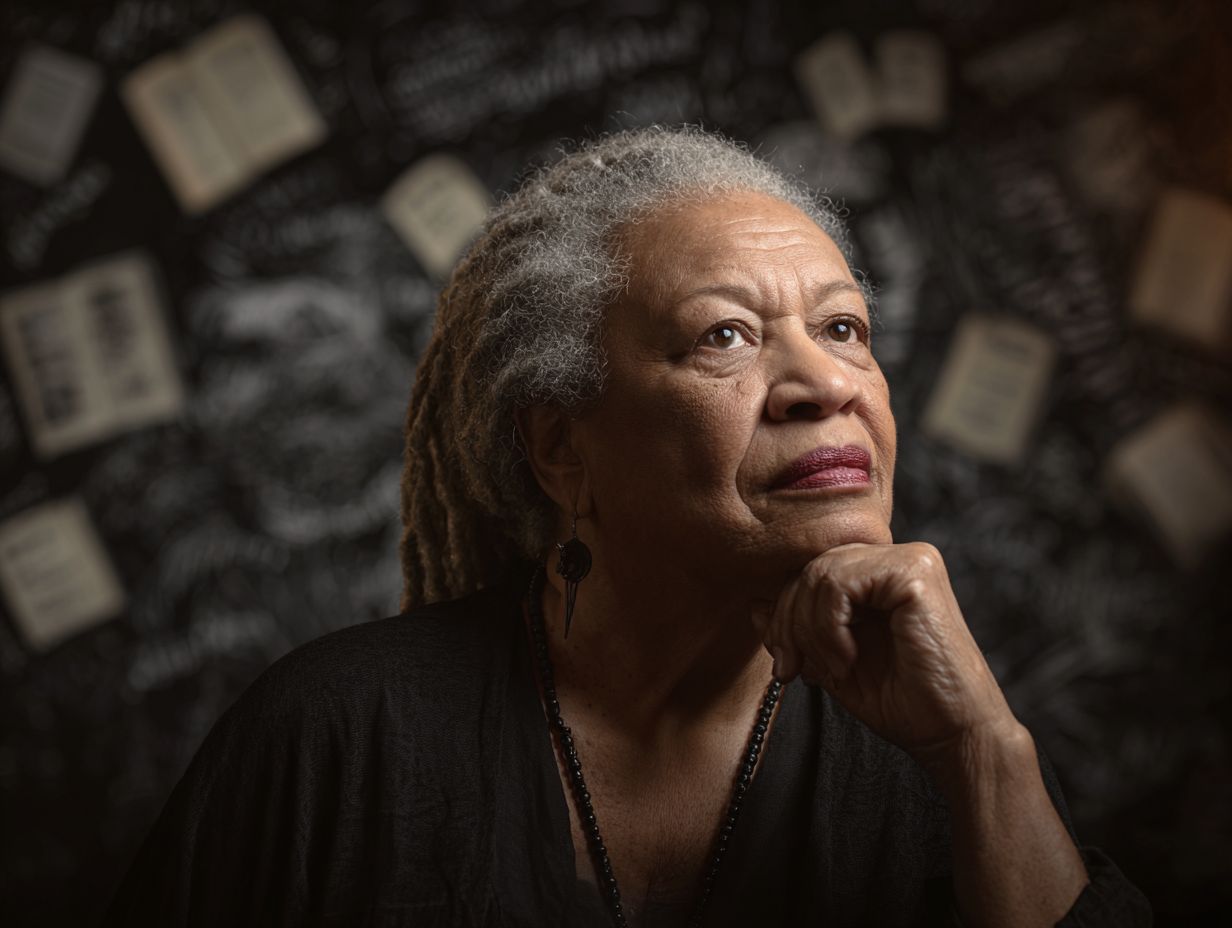
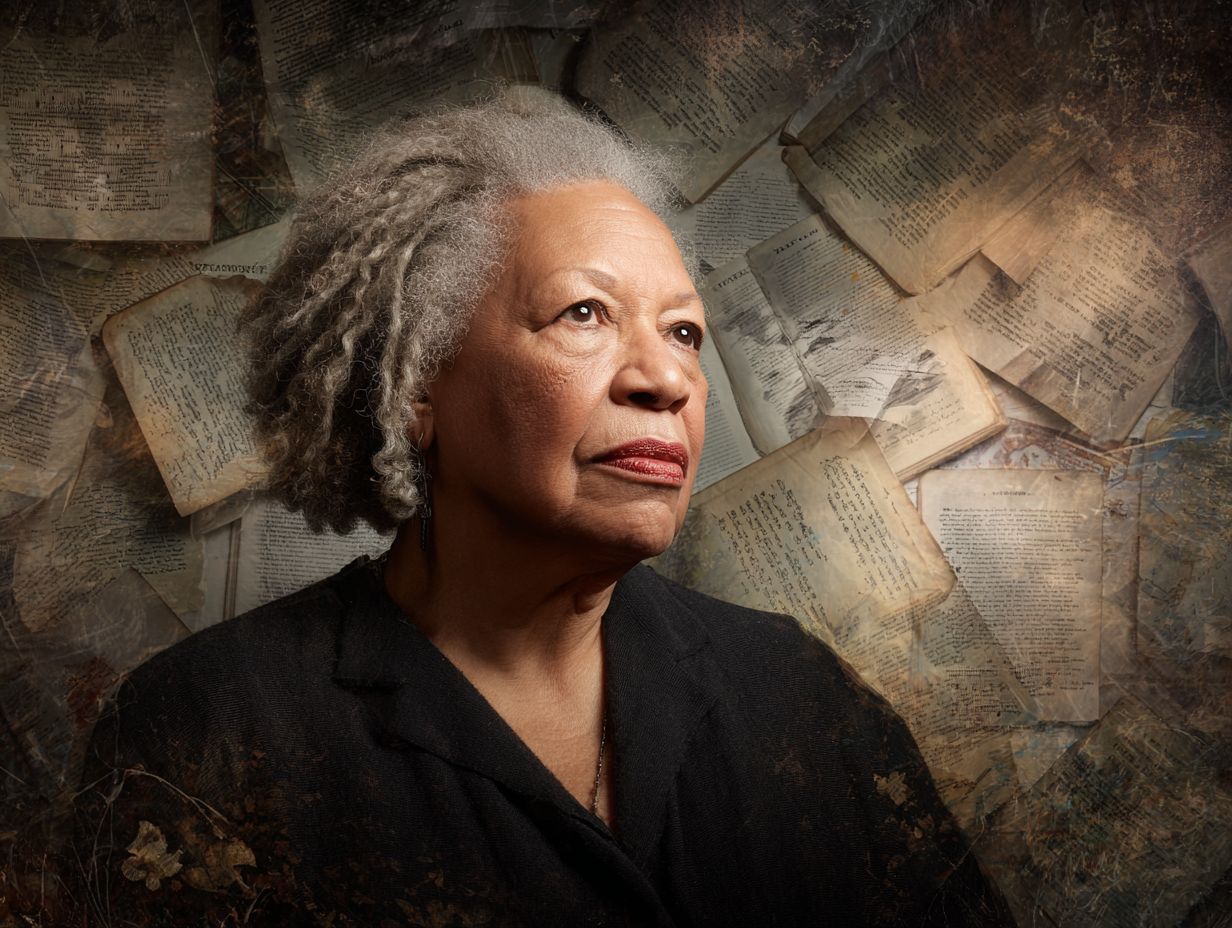
Spotlight: Exploring Toni Morrison’s Life and Legacy

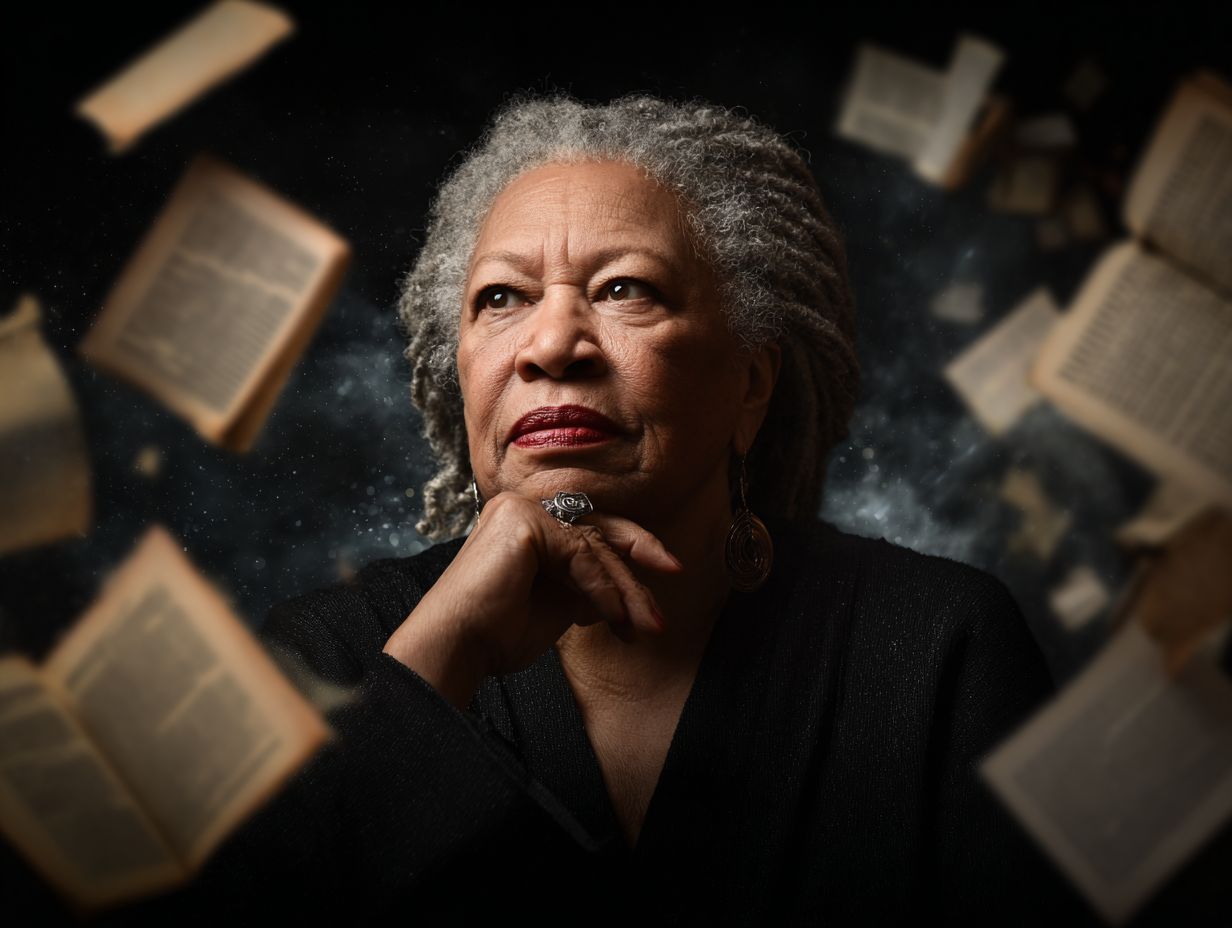
Toni Morrison didn’t just write books; she crafted worlds where language danced and history hummed with life. A literary titan, she shattered glass ceilings and opened the door to rich narratives steeped in African American experiences. From her early life to her Nobel-winning pen, this exploration will unveil her major works, the themes that define her genius, and her enduring impact on culture. Ready to dive into the legacy of a woman who redefined storytelling? Let’s turn the page!

Early Life and Background

Early Life and Background

Born in 1931 in the charming town of Lorain, Ohio, Toni Morrison’s formative years were steeped in the rich tapestry of her African American heritage, community storytelling, and the captivating art of storytelling. Her parents, George and Ramah Wofford, were the architects of her vibrant cultural identity, instilling in her an unshakeable sense of pride and community.

George, with roots tracing back to a lineage of former slaves and a career as a shipyard worker, often regaled her with tales of their ancestry, nurturing Morrison’s burgeoning appreciation for the power of narrative. Meanwhile, Ramah, a domestic worker with a fierce dedication to education, championed the virtues of reading, encouraging Toni to dive into books early and often.

These profound influences shaped her worldview, laying the groundwork for her deep understanding of racial and social issues-a foundation that would later illuminate her celebrated literary contributions. After all, one can only pen masterpieces when one’s life is a story worth telling!

Education and Influences

Morrison’s academic journey at Howard University and Cornell served as the fertile soil from which her literary voice sprouted, emphasizing the rich tapestry of African American literature and critical theory.

At Howard, she found herself under the tutelage of professors like Charles H. Rowell, who adeptly nudged her to explore the intricate nuances of Black identity through the lens of literature. Her courses in creative writing and African American studies were not just classes; they were gateways to profound explorations of race, gender, and history.

Meanwhile, at Cornell, she took a deep dive into the realm of critical theory, immersing herself in texts like Toni Cade Bambara’s “Gorilla, My Love” and the thought-provoking works of Franz Fanon.

These academic experiences laid a robust foundation that heavily influenced her acclaimed style, characterized by intricate characterization and a deep-rooted appreciation for cultural heritage. It seems that every lecture and reading was a stepping stone toward her literary brilliance, all while weaving a narrative that would resonate with generations to come.

Literary Career

Morrison’s literary career has gracefully unfolded over four decades, adorned with groundbreaking novels that tackle the intricate themes of identity, race, feminism, and trauma in American society.

One could say her prose serves as a mirror reflecting the complexities of the human experience, all while ensuring readers remain thoroughly engaged-who knew tackling serious issues could be so captivating?

Major Works Overview

From her debut novel, “The Bluest Eye,” to the Pulitzer Prize-winning masterpiece “Beloved,” Toni Morrison’s literary contributions offer a profound exploration of the African American experience through intricately woven narratives that could make even the most seasoned storyteller nod in admiration.

Her works frequently delve into themes of identity, community, social justice, and the pernicious effects of systemic racism, as if she’s skillfully peeling back layers of an onion that, while tear-inducing, reveals the richness within.

In “Song of Solomon” (1977), Morrison embarks on a quest to unearth heritage and the quest for personal significance, striking a chord with readers and igniting a renaissance of interest in African American literature that some might call a literary revival reminiscent of a phoenix rising from the ashes.

Meanwhile, “Paradise” (1997) engages with the complex interplay of gender and race within a close-knit community, proving that even in the most intimate settings, larger societal issues can be as inescapable as that one song stuck in your head.

Each of these novels garnered critical acclaim and sparked spirited discussions and adaptations, firmly establishing Morrison’s towering influence in both literature and culture, a legacy that continues to resonate with audiences today.

Themes and Styles

Morrison’s writing elegantly delves into the realms of identity, memory, and community, all wrapped up in her signature poetic flair and skillful character development. In masterworks like “Beloved,” she deftly intertwines personal anecdotes with collective histories, shedding light on the complexities of the African American experience-talk about a literary tapestry!

Her use of symbolism is nothing short of masterful; take, for instance, the haunting presence of Sethe’s deceased daughter, which serves as a poignant reminder of how memory clings to our identities like a shadow. Moreover, Morrison artfully incorporates techniques from oral traditions, crafting dialogue with rhythmic patterns that give her characters a voice that resonates long after the page is turned.

This intricate narrative style invites readers to dive headfirst into the struggles of her characters, ultimately reinforcing the profound interconnectedness of memory and community in shaping one’s sense of self. It’s a literary journey where every twist and turn offers both a challenge and a revelation, making us ponder just how much our past shapes our present.

Awards and Recognition

Awards and Recognition

Toni Morrison’s literary prowess has garnered worldwide acclaim, earning her prestigious accolades such as the Nobel Prize in Literature and several Pulitzer Prizes.

It’s as if she collected awards like other authors collect bookmarks-each one a testament to her unparalleled ability to weave words into profound narratives.

Nobel Prize in Literature

In 1993, Morrison made history as the first African American woman to snag the Nobel Prize in Literature-an impressive accolade that underscores her significant contributions to the literary world. The Nobel Prize is no ordinary trophy; it is awarded based on stringent criteria such as literary quality, originality, and the impact on society.

Morrison’s masterpieces, particularly ‘Beloved’ and ‘Song of Solomon,’ delve into intricate themes of identity, race, and the African American experience, reverberating with audiences across the globe.

During her acceptance speech, she eloquently underscored the transformative power of language in shaping humanity, which prompted diverse audiences to examine their own stories. By championing marginalized voices, Morrison not only enriched the discourse on race and culture but also fostered a deeper awareness and understanding among communities worldwide.

A true literary luminary, she seamlessly combined wit and wisdom, leaving an indelible mark on the world of letters.

Other Notable Awards

Beyond the illustrious Nobel Prize, Morrison amassed an impressive collection of accolades, including the Pulitzer Prize for her seminal work ‘Beloved’ and the National Book Award, both of which serve as testaments to her literary genius.

Her influence is not just a whisper but a resounding echo, evidenced by the multitude of honorary degrees conferred upon her by prestigious institutions like Harvard and Yale.

These honors recognize her indelible contributions to literature and culture, as if to say, “Yes, we’ve noticed your brilliance!”

Morrison’s extraordinary ability to encapsulate the African American experience resonates deeply within her oeuvre, inspiring a legion of writers to follow in her formidable footsteps.

Each award not only shines a spotlight on her unparalleled talent but also underscores her status as a cultural icon, elevating crucial conversations about race, identity, and history in the landscape of American literature.

Her legacy is a vivid reminder of the transformative power of storytelling to shape society, proving that words can indeed wield a mighty influence.

Impact on Literature and Culture

Morrison’s work has profoundly reshaped the landscape of African American experiences in literature, transforming the way race and identity are perceived in American culture, while also addressing social issues and existentialism.

One might say she has taken a sledgehammer to outdated narratives, crafting a tapestry of stories that compel us to reconsider our views and assumptions.

Her literary genius ensures that discussions about race are not merely an academic exercise, but a vibrant dialogue that continues to resonate in contemporary society.

Representation of African American Experiences

Morrison’s narratives offer a refreshingly authentic glimpse into African American life, bravely challenging stereotypes while deftly bringing marginalized voices to the forefront of literary discourse, with a focus on representation and identity politics.

In masterpieces such as Beloved and Song of Solomon, Morrison intricately weaves together themes of community and trauma with the finesse of a skilled artisan. Take Beloved, for example; it courageously unveils the haunting legacy of slavery, revealing how trauma can etch itself into both individual and collective identities.

Through characters like Sethe, Morrison masterfully explores the complex terrain of maternal love and the sacrifices it often demands-because who knew love could be both a warm embrace and a heavy burden?

Likewise, in Song of Solomon, she artfully emphasizes resilience and the journey of self-discovery, reflecting the rich tapestry of experiences that define African American individuals.

These narratives are not just stories; they are invitations for readers to engage deeply with the historical and emotional landscapes of African American life-preferably with a cup of tea in hand, for this is a journey worth savoring.

Influence on Future Generations of Writers

Influence on Future Generations of Writers

Morrison’s literary legacy continues to serve as a beacon for new generations of writers, significantly influencing contemporary fiction, inspiring them to delve into themes of identity and social justice with fervor. Contemporary authors such as Jesmyn Ward, who adeptly navigates the complexities of race and community, and Claudia Rankine, who boldly confronts racial tensions, frequently cite Morrison as a foundational influence-like a literary godparent bestowing wisdom upon the next wave of talent.

Her themes resonate particularly well in today’s climate, where discussions surrounding identity, race, representation, and the critique of society are not just hot topics but are practically on fire. Writers like Ocean Vuong echo Morrison’s emphasis on personal narrative, using lyrical prose to intricately explore the notions of belonging and heritage.

This connection underscores Morrison’s lasting impact-like an indelible ink stain-on contemporary narratives, prompting them to boldly challenge societal norms and expectations through powerful storytelling.

Legacy and Continued Relevance

Morrison’s legacy endures, not merely as a testament to her literary brilliance but also through a delightful array of adaptations and a veritable scholarly feast of discussions surrounding her work.

It seems her words have sparked endless conversations, much like a fine wine that only gets better with age, proving that her impact on the literary canon is both profound and enduring.

Adaptations of Her Work

Several film adaptations of Morrison’s novels, such as ‘Beloved’ and ‘The Bluest Eye’, serve as prime examples of her narratives’ remarkable versatility and lasting charm. While these adaptations may take different stylistic routes, they deftly capture the essential themes of race, identity, and trauma that permeate her work.

Take, for instance, the film ‘Beloved’, directed by Jonathan Demme, which delves into the haunting legacy of slavery with a surreal twist. It artfully showcases Sethe’s torturous battle with her past, as if her memories are the uninvited guests at an already tense dinner party.

On the flip side, ‘The Bluest Eye’, helmed by Tanya Hamilton, turns the spotlight on Pecola, a young African American girl grappling with the crushing weight of societal beauty standards.

Both films not only mirror the profound depth of Morrison’s narratives but also challenge audiences to confront her poignant critiques of culture and history, making them essential for any discussion on American literature. One might say these adaptations are like engaging in a spirited debate with an old friend-provocative, insightful, and utterly unforgettable.

Ongoing Discussions and Studies

Scholarly debates surrounding Morrison’s themes of race, identity, and feminism continue to invigorate the realms of literary studies and cultural critiques today, proving that her work is as relevant as ever and cementing her place in Black literature.

Recent conferences, including the esteemed Modern Language Association’s annual gathering and the Toni Morrison Society’s symposium, have served as lively arenas for those in-the-know to engage in spirited discussions, further highlighting her literary relevance.

Reputable journals such as “African American Review” and “Novel: A Forum on Fiction” consistently churn out thought-provoking articles that dissect her oeuvre. Esteemed scholars like Carolyn M. Jones and Farah Jasmine Griffin are making significant contributions to this discourse, skillfully weaving Morrison’s narratives into the fabric of contemporary issues.

By tapping into these invaluable resources, researchers can significantly enhance their understanding and appreciation of Morrison’s lasting literary impact-like discovering a hidden gem in a well-stocked library.

Frequently Asked Questions

Who is Toni Morrison and why is she important?

Who is Toni Morrison and why is she important?

Toni Morrison was an American novelist, essayist, editor, and professor. She is best known for her critically acclaimed novels that explore themes of race, identity, and African American culture. She was the first African American woman to win the Nobel Prize in Literature in 1993 and her works continue to be studied and celebrated for their literary excellence and cultural impact.

What are some notable works by Toni Morrison?

Toni Morrison wrote 11 novels, including “Beloved “The Bluest Eye “Sula and “Song of Solomon”. She also wrote several essay collections, plays, and children’s books. Her novel “Beloved” won the Pulitzer Prize for Fiction in 1988 and is considered one of her most influential works.

How did Toni Morrison’s upbringing influence her writing?

Toni Morrison was born and raised in Lorain, Ohio, a predominantly African American community. Her parents taught her the importance of storytelling and instilled in her a deep appreciation for her African American culture and heritage. These experiences and influences are reflected in her writing, which often explores the complexities of race and the African American experience.

What impact did Toni Morrison have on the literary world?

Toni Morrison’s writing has had a profound impact on the literary world. She paved the way for other African American writers to gain recognition and brought attention to issues of race and identity in literature. Her works have been translated into numerous languages and continue to be widely read and studied, cementing her legacy as a literary icon.

What other achievements did Toni Morrison have in her career?

Plus her writing, Toni Morrison was also an editor at Random House, the first black woman to hold such a position. She helped to amplify the voices of other African American authors and mentored many aspiring writers. She also taught at several prestigious universities, including Princeton and Cornell, where she influenced countless students with her wisdom, knowledge, and mentorship.

How can I learn more about Toni Morrison’s life and legacy?

There are many resources available to learn more about Toni Morrison and her impact on literature and culture. You can read her books, watch interviews or documentaries about her, or visit the National Museum of African American History and Culture, which has a section dedicated to her life and work, highlighting her cultural impact. Additionally, there are numerous articles, essays, and academic papers that analyze and discuss her writing and legacy.

Open post

Top 10 Short Reads for Busy Literature Lovers [2024 Guide]

Caught in a whirlwind of responsibilities but still yearning for a literary escape? Fear not, busy bibliophiles! Short reads are your ticket to savoring literature without the marathon. Discover why these bite-sized gems matter, explore a plethora of genres-from fiction to poetry-and uncover our top recommendations that fit snugly into your schedule. Whether you’re a classic connoisseur or a modern maven, there’s a perfect page waiting for you. Ready to turn a few pages in your hustle? Let’s dive in!

Why Short Reads Matter

Why Short Reads Matter

Short reads distill engaging narratives into delightful morsels, perfectly suited for the harried schedules of today’s readers and busy people.

They enhance the reading experience without overwhelming the senses.

In fact, a study revealed that 45% of readers prefer novellas for their quick enjoyment, as these compact tales deliver impactful storytelling in a fraction of the time.

Take, for instance, George Orwell’s ‘Animal Farm’ or the short stories of Alice Munro. Both works plunge into profound themes like power and identity, all while keeping their word counts to a minimum-talk about efficiency!

Platforms like Goodreads serve as trusty guides, helping readers uncover popular novellas with ease. Ultimately, these succinct formats not only captivate the audience but also invite thoughtful reflection on their intricate themes, all wrapped up in neatly constrained narratives.

Benefits for Busy Readers and Book Lovers

For the perennially busy reader, short literature may just be the knight in shining armor that transforms their reading habits, allowing them to devour an entire story in under an hour-quite the contrast to traditional novels that seem to take an eternity to finish.

Short stories and flash fiction emerge as the shining stars for those constrained by time, offering fast-paced stories and quick literary escapes.

Collections such as “Tenth of December” by George Saunders or anthologies like “The Best American Short Stories” serve up compelling narratives in bite-sized portions.

Moreover, incorporating apps like Audible can elevate the experience with audiobooks, making it possible to indulge in literature while commuting or exercising-talk about a multitasking marvel!

To truly maximize retention, why not set a goal of savoring one short story each day? This tiny commitment can cultivate a delightful reading habit and significantly amplify one’s overall reading volume, turning the busy reader into a literary powerhouse.

Genres of Short Literature

Short literature encompasses a delightful array of genres, each providing its own distinct pleasures and insights.

This delightful diversity ensures that every reader, regardless of taste, can discover something that strikes a chord and resonates with them.

After all, who wouldn’t want a literary treasure hunt that fits neatly within the confines of a busy schedule?

Fiction

Short fiction masterfully condenses complex narratives into concise forms, showcasing character development and thematic richness within a mere span of 30 pages or less-a delightful challenge for writers and readers alike.

Renowned authors like Raymond Carver and Alice Munro stand as paragons of this craft, each wielding their unique narrative techniques with finesse. Carver’s minimalist approach employs straightforward language and familiar scenarios to unearth deep emotional truths, as exemplified in his poignant tale, “Cathedral.” In contrast, Munro dazzles with her vivid details and intricate character backstories, as demonstrated in her enchanting short story “Dance of the Happy Shades.”

Both of these literary luminaries have received prestigious accolades, reinforcing the notion that short fiction is not merely a form of storytelling but a formidable vehicle for impactful narratives delivered in a delightfully compact package.

Non-Fiction

Short non-fiction pieces serve as a delightful cocktail of concise argumentation and profound reflection, often igniting lively debates on contemporary matters. Take, for example, the influential essays of Joan Didion, particularly “The White Album,” which masterfully marries personal narrative with sharp social critique.

Didion’s examination of the chaotic cultural milieu of the late 1960s not only entertains but also invites readers to ponder the delightful madness of that era.

Meanwhile, esteemed platforms like The New Yorker continue to champion the art of short non-fiction, showcasing works that meticulously analyze current events and cultural phenomena. Writers such as Susan Orlean and Adam Gopnik enthrall audiences with their rich storytelling, proving that concise essays can brilliantly illuminate complex issues while fostering a vibrant dialogue within the community.

These pieces remind us that brevity can indeed be the soul of wit-and a spark for meaningful conversation.

Poetry

The allure of poetry resides in its remarkable ability to conjure emotions and vivid imagery within just a few lines, making it an ideal companion for those with a time deficit.

Contemporary poets such as Rupi Kaur and Ocean Vuong strike a profound chord with today’s readers, frequently showcasing their work on platforms like Instagram. This accessibility transforms poetry into a daily wellspring of inspiration for many, as concise verses can deliver powerful messages of love, loss, and identity with the finesse of a skilled magician.

Take Kaur’s poignant messages, often accompanied by stark visuals-they invite not just reflection but a genuine connection. The instantaneous nature of social media facilitates rapid sharing, allowing poetry to blossom into a collective experience, thereby reinforcing its emotional impact through community engagement and lively dialogue.

Who knew such depth could fit into a fleeting scroll?

Top Recommendations

Top Recommendations

Navigating the vast sea of short reads, including vibrant prose and engaging poetry, can feel like searching for a needle in a literary haystack. Fear not, for here are carefully curated recommendations that span both classic and modern literature, designed to satisfy even the most discerning of tastes.

Consider it your personalized treasure map in the world of reading!

Classic Short Stories

Classic short stories, such as those penned by the illustrious Edgar Allan Poe and the ever-enigmatic O. Henry, provide timeless insights into the labyrinthine nature of humanity and the complexities of societal issues, ideal for leisure reading and literary exploration.

Here are five classic short stories that continue to make waves in contemporary discussions:

  1. “The Lottery” by Shirley Jackson (20 mins) – A chilling exploration of conformity and the darker side of societal violence that might just make you rethink your neighbor’s holiday traditions; a must-read for fans of compelling themes and insightful narratives.
  2. “The Tell-Tale Heart” by Edgar Allan Poe (15 mins) – A riveting plunge into the murky waters of guilt and mental instability that could leave even the most stoic reader feeling a tad uneasy.
  3. “The Gift of the Magi” by O. Henry (10 mins) – A heartwarming tale that beautifully illustrates the themes of love and sacrifice; it’s the kind of story that makes you want to hug your loved ones-after you’ve double-checked your wallet, of course.
  4. “A Good Man is Hard to Find” by Flannery O’Connor (30 mins) – A thought-provoking examination of morality and family dynamics that proves that sometimes, the real monsters are the ones sitting at the dinner table.
  5. “The Yellow Wallpaper” by Charlotte Perkins Gilman (30 mins) – A poignant commentary on mental health and women’s rights that reveals just how far we’ve come-and how far we still have to go.

These stories not only enrich the literary canon but also spark ongoing debates about ethics, identity, and the ever-evolving tapestry of societal norms. Reading them is not just an exercise in literature; it’s a delightful journey through the quirks and quandaries of the human experience.

Modern Short Fiction

Modern short fiction presents an enticing blend of fresh voices and innovative styles, inviting readers to embark on a journey through contemporary themes and diverse perspectives. In collections such as “Tenth of December” by George Saunders, one can expect to grapple with moral quandaries and the intricacies of the human experience, all while enjoying a delightful cocktail of dark humor and poignant life reflections.

Similarly, “The Refugees” by Viet Thanh Nguyen weaves a rich tapestry of immigrant narratives, deftly highlighting the complexities of identity and belonging in our ever-evolving society. Meanwhile, Ottessa Moshfegh’s “Homesick for Another World” employs absurdity as a lens to examine loneliness and existential dread, reminding us that sometimes, humor is the best balm for our deepest anxieties.

These texts do more than entertain; they serve as mirrors, reflecting the cultural anxieties and emotional landscapes of modern life with a wit that is both sharp and insightful, ideal for book clubs and literary magazines.

Essays and Articles

Essays and articles possess the remarkable ability to shed light on the intricacies of the human experience, rendering them essential for anyone eager for a hearty intellectual feast.

Take, for instance, the thought-provoking essay “Consider the Lobster” by David Foster Wallace. This piece invites readers to grapple with ethical dilemmas lurking in our daily lives, prompting a delightful (if not slightly uncomfortable) introspection on personal values.

Equally captivating is Virginia Woolf’s “The Death of the Moth,” which stirs an emotional resonance related to the fragility of life itself. Engaging with such literary gems not only sharpens critical thinking but also cultivates empathy, nudging readers to confront complex emotions and ideas with grace.

To enhance comprehension and emotional engagement, one might consider cultivating the habit of journaling thoughts after each reading. This practice can deepen the understanding of these narratives, transforming passive reading into an active dialogue with the text.

Where to Discover Quick Reads and Recommended Titles

Regardless of whether one favors the allure of digital screens or the tangible charm of printed pages, a plethora of platforms abound, offering a delightful array of bite-sized literature and curated selections meticulously crafted to cater to your specific tastes.

Online Platforms for Popular Reads and E-books

Digital platforms such as Scribd and Goodreads serve as veritable treasure chests of curated short reads and immersive stories, allowing readers to unearth new literary gems with the mere flick of a finger.

Both platforms offer a delightful array of features and reading resources that elevate the reading experience to new heights. Scribd, for a modest fee of $11.99 per month, opens the floodgates to an expansive library filled with books, audiobooks, and documents, granting you the freedom to traverse an impressive range of genres without ever feeling constrained.

On the flip side, Goodreads presents itself as a social networking haven for bibliophiles, enabling users to track their reading progress, rate books, and receive customized recommendations tailored to their literary preferences.

Why not consider a dual approach? Utilize Scribd for boundless reading adventures while leveraging Goodreads to keep tabs on your literary escapades and engage with a vibrant community. Together, they could significantly enrich your journey through the world of literature, making it both enjoyable and efficient.

Printed Collections of Timeless Tales and Literary Classics

Printed Collections of Timeless Tales and Literary Classics

Printed anthologies, such as ‘The Best American Short Stories,’ present meticulously curated collections and short story collections that serve as delightful gateways for readers into a diverse array of authors and styles. These compilations are not merely a celebration of the literary arts; they also offer invaluable insights into various writing techniques, themes, and cultural perspectives.

For instance, Penguin Classics showcases timeless works that have withstood the test of time, while the Norton Anthology generously provides historical context alongside its narratives, giving readers a rich backdrop against which to appreciate the stories.

To elevate your reading experience to new heights, one might consider joining book clubs that focus specifically on anthologies. Such gatherings are akin to literary feasts, where ideas are exchanged and interpretations flourish.

Additionally, tools like Goodreads can be essential for tracking one’s progress and discovering community discussions about the stories, further enhancing both understanding and appreciation of these literary gems. After all, the more perspectives one encounters, the richer the tapestry of comprehension becomes.

Reading Strategies for Busy People

Employing effective reading strategies can transform even the briefest reading sessions into a treasure trove of enjoyment and insight for the busy individual, embracing literary trends and concise storytelling.

After all, why should one’s limited time lead to a mediocre literary experience? With the right approach, each page turned can yield maximum delight and intellectual stimulation, making every moment spent reading a worthy investment.

Time Management Tips for Efficient Reading and Page-Turners

Incorporating a dedicated reading time into one’s schedule, even if it’s merely 15-20 minutes a day, can remarkably amplify engagement with short literature. To seamlessly weave reading into the fabric of daily life, one might consider designating specific times for this delightful endeavor. For instance, why not enjoy a few pages while savoring that morning coffee or during the daily commute?

Additionally, one could carve out a portion of the lunch break or indulge in a book as a prelude to slumber. To bring a semblance of structure to this literary journey, a simple weekly reading plan can be quite beneficial.

Consider assigning themes to each day:

  • Monday could be dedicated to the lyrical beauty of poetry,
  • Wednesday might be reserved for the enchanting world of short stories and quick novels,
  • and Friday could be the time for indulging in thought-provoking essays.

This focused approach not only elevates the reading experience but also introduces a refreshing variety, making it all the more enticing to remain committed to the literary pursuit.

Making the Most of Short Reads and Literary Awards

To fully savor the delight of short reads, one might consider engaging in reflective practices such as journaling or conversing about stories with friends-both excellent means to deepen one’s comprehension and appreciation.

Additionally, participating in a book club dedicated to short literature and literary events can unveil fresh perspectives that elevate the reading experience. One could also indulge in activities like establishing reading goals or responding to prompts that explore themes and characters, all while enjoying the delightful brevity of these narratives.

Employing tools such as Goodreads to monitor reading progress and share insights is another wise move. Once a story is completed, taking a moment to jot down thoughts on the narrative arc or character development not only cements one’s understanding but also enriches discussions, making those stories linger in memory long after the final page is turned.

After all, who wouldn’t want to keep the charm of a good story alive in their mind?

Embracing Literature in a Busy Life

Ultimately, short reads serve as a delightful lifeline for busy individuals, allowing them to maintain a connection to literature while elegantly fitting into the most frenetic of schedules.

To elevate your reading experience, why not carve out a mere ten minutes each day for a short story or an engaging article, embracing reading for pleasure and literature appreciation? Consider leveraging apps like Medium or Blinkist, which curate content specifically designed for swift consumption-perfect for the time-strapped bibliophile.

Audiobooks, too, offer a splendid alternative; applications such as Audible enable you to indulge in literature while commuting or exercising, turning mundane moments into literary escapades.

Additionally, joining a book club dedicated to short reads can significantly enhance both retention and enjoyment, creating a vibrant community of fellow enthusiasts eager to share insights.

By embracing these strategies, one can cultivate a lifelong love of reading, even amidst the chaos of a busy life. After all, who says you can’t savor a good book on the go?

Frequently Asked Questions about Literary Fiction and Genre Fiction

What are the best short reads for busy people who still love literature?

What are the best short reads for busy people who still love literature?

Some great options include “The Little Prince” by Antoine de Saint-Exupry, “Of Mice and Men” by John Steinbeck, and “The Great Gatsby” by F. Scott Fitzgerald-perfect for a quick escape and binge-reading.

Why is it important for busy people to still make time for literature and personal development?

Reading has numerous benefits, including reducing stress, improving focus and concentration, and expanding our knowledge and perspective on the world. Even if you only have a few minutes to spare, picking up a short read can provide these benefits and more.

Are there any short reads that are particularly heart-wrenching or emotionally impactful, featuring relatable plots and engaging characters?

“The Giving Tree” by Shel Silverstein, “The Lottery” by Shirley Jackson, and “The Yellow Wallpaper” by Charlotte Perkins Gilman are all powerful and thought-provoking short reads that explore deep emotions and societal issues.

Can you recommend any short reads that are perfect for a quick escape from reality and imaginative storytelling?

“The Secret Life of Walter Mitty” by James Thurber, “The Alchemist” by Paulo Coelho, and “The Curious Case of Benjamin Button” by F. Scott Fitzgerald are all immersive and captivating short reads that can transport readers to different worlds and realities.

Are there any short reads that are perfect for a quick lunch break read?

Absolutely! “The Old Man and the Sea” by Ernest Hemingway, “The Bell Jar” by Sylvia Plath, and “The Tell-Tale Heart” by Edgar Allan Poe are all engrossing and quick reads that can easily be finished during a lunch break.

What are the benefits of reading short stories or novellas instead of longer novels?

Short reads are perfect for busy individuals because they can be finished in a shorter amount of time, providing a sense of accomplishment and accomplishment. They also allow for a quick escape or change of pace from daily routines, while still providing the satisfaction of finishing a complete story.

Open post

Long-Form Journalism: Why Readers Are Returning to In-Depth Stories

In a world where brevity often reigns supreme, long-form journalism is making a triumphant comeback-like the mullet of media, it’s unexpected yet oddly satisfying. As readers tire of snack-sized articles, they’re craving hearty servings of in-depth analysis and rich narratives. This shift isn’t just a passing trend; it’s driven by a desire for insight and trust. Join us as we explore the characteristics, challenges, and promising future of this literary feast.

Definition and Characteristics of Long-Form Journalism

Definition and Characteristics of Long-Form Journalism

Long-form journalism can be aptly defined as any content that travels beyond the 1,200-word mark, providing a feast of in-depth analysis, rich context, and a narrative structure that invites critical thinking to the party. This format profoundly impacts media consumption by offering quality content that caters to readers’ demand for depth and investigative reporting.

This genre of journalism is not just content-heavy; it’s a veritable smorgasbord of thorough research and storytelling finesse, often infused with interviews, data analysis, and personal anecdotes that make the reader feel as though they’re part of an exclusive club. The narrative structure and storytelling techniques employed are crucial for retaining audience engagement and fostering trust in media.

It plays a pivotal role in cultivating audience trust and loyalty by tackling complex issues with the kind of nuance and depth that would make even the most seasoned philosophers nod in approval.

Consider, for instance, investigative pieces on climate change. They do more than merely present facts; they delve into personal impacts and stakeholder perspectives, painting a vivid picture of the issue at hand. This type of journalism, characterized by depth and thorough analysis, demonstrates journalistic integrity and adheres to journalism ethics.

For those embarking on this literary journey, tools like Scrivener become critical allies, helping writers corral their extensive research into manageable bits. Meanwhile, Grammarly gallantly stands by to ensure clarity and coherence throughout the lengthy narrative, because let’s face it-nobody wants to read a convoluted mess. Efficient use of such tools can enhance factual accuracy and the overall writing style.

Historical Context

The origins of long-form journalism can be traced back to the 19th century, with illustrious publications such as ‘The Atlantic’ and ‘Harper’s Magazine’ laying the groundwork for the art of in-depth storytelling. This historical perspective is essential for understanding contemporary journalism trends and the evolution of narrative journalism.

As we wade through the 20th century, magazines like ‘The New Yorker’ and ‘Rolling Stone’ took the baton, popularizing this format by serving up extensive narratives that captivated readers and kept them turning pages-perhaps at the expense of their dinner plans. These contributions significantly shaped the landscape of feature stories and immersive journalism.

However, the late 20th century witnessed a dramatic shift as television and digital media emerged, causing long-form journalism to take a backseat.

Fortunately, with the resurgence of online platforms, noble champions like ‘The Longform’ and ‘Slate’ have stepped in to breathe new life into this genre. They provide a sanctuary for comprehensive analysis and storytelling, appealing to today’s discerning audience and proving once and for all that the appetite for well-researched, immersive content is as robust as ever. This revival marks a significant shift in reader loyalty and preference for long-form formats in the digital landscape.

The Shift in Reader Preferences

Recent studies reveal that a striking 71% of readers have developed a penchant for long-form content, favoring detailed insights over the bite-sized, quick reads. This shift underscores the growing importance of content strategy centered around quality content and audience retention.

This trend highlights a significant shift in media consumption habits, suggesting that, for many, depth trumps brevity-much to the chagrin of overly ambitious editors everywhere.

It appears that in the quest for knowledge, many are opting to savor the full feast rather than nibble on mere appetizers.

From Quick Reads to In-Depth Analysis

The transition from brief articles to comprehensive analyses is quite apparent, as evidenced by data indicating that longer pieces receive a staggering 3-4 times more social shares than their shorter counterparts. This shift can be attributed to several factors, chief among them being the audience’s growing appetite for thorough insights into topics that resonate with them, ultimately leading to more informed decisions and deeper understanding.

Tools like BuzzSumo come in handy for identifying trending, in-depth subjects within your niche, acting as a compass for your content strategy. Moreover, incorporating data-driven arguments and expert opinions not only enhances credibility but also transforms your content into a sharable masterpiece, worthy of social media accolades.

Furthermore, experimenting with various formats, such as case studies, interviews, or deep dives, can captivate readers who yearn for rich, valuable information rather than mere surface-level commentary. After all, who wouldn’t prefer a hearty meal of knowledge over a meager snack of fluff?

Factors Driving the Change

The key factors driving this transformation are quite compelling: the relentless information overload from social media, an increasing thirst for credible sources, and the burgeoning popularity of subscription models that prioritize quality over quantity. These changes reflect a broader trend in media consumption and the demand for comprehensive reporting that offers in-depth analysis and nuanced perspectives.

In this age of social media’s frenetic news cycle, misinformation has become the unwelcome party crasher, prompting discerning readers to seek out more reliable content. This shift is beautifully illustrated by platforms like Substack, where writers eschew the ephemeral allure of quick posts in favor of crafting deep, thought-provoking articles that linger in the mind. This preference for depth and critical narratives is reshaping how readers engage with digital subscriptions and online readership.

In response, traditional outlets such as The New York Times have sharpened their investigative journalism skills, luring in subscribers who are more than willing to pay for trustworthy news. Meanwhile, tools like Google News and Feedly have emerged as trusty sidekicks for users, helping them curate high-quality content from reputable sources and effectively filtering out the cacophony that often clutters their feeds.

The Benefits of Long-Form Journalism

Long-form journalism boasts a myriad of advantages, such as enhanced audience retention and a more profound comprehension of intricate topics. This makes it an critical asset for contemporary journalists navigating the complexities of modern storytelling.

After all, who wouldn’t want to keep readers engaged while unraveling the mysteries of the universe-one article at a time?

Enhanced Understanding and Insight

Enhanced Understanding and Insight

Research indicates that readers retain an impressive 70% more information from long-form articles, cultivating a deeper understanding of topics as compared to their shorter counterparts. This retention can largely be attributed to the thorough exploration and analysis of complex subjects, which allows for a more nuanced narrative.

Take, for instance, a comprehensive piece on climate change; it could traverse scientific data, historical context, and personal anecdotes, forging an emotional connection with readers. Longer formats not only provide ample space for depth but also encourage critical thinking; readers often find themselves engaging with the material more profoundly, questioning assumptions and considering a variety of viewpoints.

Moreover, incorporating statistics and expert quotes can serve to enhance credibility, rendering the content not just persuasive but also delightfully engaging.

In summary, the art of long-form writing is not merely about length; it’s about enriching the reader’s experience and fostering meaningful connections with the subject matter.

Building Trust with Audiences

Long-form journalism masterfully nurtures audience trust by demonstrating expertise and an unwavering commitment to quality, ultimately leading to enhanced reader loyalty and a delightful uptick in subscription rates. This commitment to delivering quality content and maintaining editorial integrity is crucial for sustaining reader demographics and ensuring audience retention.

To accomplish this feat, one must embark on a quest for thorough research and embrace nuanced perspectives in their writing. It is essential to incorporate a diverse array of sources to present a well-rounded view and dodge the ever-looming specter of bias.

Consider, for instance, an article on climate change; it should artfully weave together scientific studies, interviews with passionate activists, and data from reputable organizations into a cohesive narrative.

Engaging readers is key, so addressing their concerns head-on and stimulating informed discussions is paramount. Employing visually appealing aids, like infographics, can demystify complex data and elevate understanding to new heights.

Furthermore, consistently updating content to mirror the latest developments will reinforce one’s stature as a reliable source within their niche-because who doesn’t enjoy a trustworthy guide in the ever-evolving landscape of information?

Challenges Facing Long-Form Journalism

Despite its numerous advantages, long-form journalism finds itself wrestling with formidable challenges, such as the relentless competition from its snappy short-form counterparts and the ever-elusive quest for monetization. Navigating these challenges requires innovative monetization strategies and a keen understanding of reader preferences and consumer behavior.

It’s a classic case of the tortoise and the hare, where the tortoise must navigate the hurdles of a fast-paced digital landscape while attempting to secure its financial footing.

Competition with Short-Form Content

Short-form content has taken the spotlight, boasting engagement rates that would make longer articles green with envy-studies reveal that pieces under 1,000 words attract a whopping 60% more views. This trend compels marketers to rethink their content strategies.

While long-form articles can certainly provide depth and credibility, weaving in succinct, easily digestible segments can significantly enhance reader retention. Utilizing multimedia elements and visual storytelling techniques can also boost interactivity and make complex topics more accessible.

Take, for example, the clever combination of a thorough analysis with bite-sized takeaways or striking infographics; this approach caters to the whims of diverse audience preferences. Utilizing tools like Medium’s distribution analysis can be a game-changer, helping to pinpoint which format strikes a chord with followers.

In the end, a harmonious blend of both short and long content styles, with smart content curation, can maximize engagement while preserving informative value. This strategy ensures that the varying needs of readers are met with finesse, allowing them to consume information in a manner that suits their taste-after all, not everyone has the time or inclination for a novel-length read!

Monetization Issues

A mere 27% of long-form journalists report having sustainable revenue models, underscoring an urgent call for innovative monetization strategies within publishing platforms across the industry.

One potential remedy is to embrace membership models, where exclusive content or early access can be offered in exchange for a subscription fee. Platforms such as Patreon or Substack facilitate a direct connection between journalists and their audiences, effectively promoting engagement while ensuring a steady stream of revenue.

Furthermore, diversifying income streams is a wise approach; for example, journalists might explore crowdfunding campaigns for specific projects or harness the power of affiliate marketing by partnering with relevant brands.

Additionally, hosting events or webinars can create interactive experiences that not only generate revenue but also cultivate a sense of community around the art of journalism. After all, in the quest for sustainable income, creativity may very well be the currency of the future.

Case Studies of Successful Long-Form Pieces: A Look at Storytelling Prowess

A meticulous examination of successful long-form journalism pieces unveils the profound impact of rigorous investigation and captivating storytelling.

This dynamic duo not only captivates the audience but also fosters impressive levels of engagement and retention, highlighting the importance of reader engagement metrics.

It’s almost as if a well-crafted narrative can charm readers into a state of rapt attention, leaving them wanting more-like an irresistible dessert at the end of a lavish meal.

Impactful Investigative Reports

Impactful Investigative Reports

Investigative reports like ProPublica’s ‘The Uncounted’ have captivated millions of readers, demonstrating the formidable prowess of long-form journalism in uncovering hidden truths. The report’s meticulous exploration of census inaccuracies ignited a lively public discourse, ultimately steering policy discussions on representation.

Another standout example is the New York Times’ ‘Snow Fall,’ which chronicles a tragic avalanche and has attracted over 3 million readers, showcasing the power of immersive experiences in digital narratives.

By employing innovative multimedia elements, this piece not only enhances audience engagement but also poignantly conveys the story’s emotional gravity.

Metrics such as shares and reader comments serve as barometers of success, igniting conversations across social media platforms, underlining social media influence, and reaching a diverse audience hungry for thorough analysis.

It seems that when it comes to impactful storytelling, the adage “the pen is mightier than the sword” holds true-especially when wielded with wit and wisdom.

Engaging Personal Narratives

Personal narratives, such as the storytelling feature on grief from ‘The New Yorker,’ have received accolades akin to a standing ovation at a Broadway show, showcasing the profound emotional impact of long-form content. These narratives create a deep connection with readers by employing vivid details and relatable emotions.

For example, weaving in personal anecdotes about loss or resilience not only enhances authenticity but also serves as the literary equivalent of a warm hug.

Writers have a treasure trove of tools at their disposal, like Scrivener for meticulously crafting their narrative arc and the Hemingway App for ensuring clarity and conciseness-because nobody wants their prose to sound like a legal document or lack content authenticity.

Remarkably, statistics reveal that articles featuring personal stories garner a whopping 50% more engagement on social media than their more conventional counterparts.

By honing in on universal themes, such as love or sacrifice, authors can evoke empathy and cultivate a stronger bond with their audience-because who doesn’t love a good tale that tugs at the heartstrings?

The Future of Long-Form Journalism: Reflecting on Journalism Revival

As the digital landscape continues to evolve at a dizzying pace, long-form journalism finds itself at a crossroads, compelled to adapt to new platforms and technologies, including analytics to measure content value.

This transformation presents not merely a challenge but a splendid opportunity for growth and innovation in the art of storytelling.

After all, in a world where attention spans may be shrinking faster than a winter coat in a warm dryer, the ability to engage readers with compelling narratives has never been more crucial-or more exciting.

Adapting to Digital Platforms

With a staggering 80% of readers tapping away on mobile devices, long-form journalism has no choice but to embrace responsive design and multimedia elements-after all, we wouldn’t want our readers to feel like they’ve stepped back into the Stone Age.

To adapt effectively, journalists ought to prioritize responsive web frameworks such as Bootstrap, which gracefully adjusts layouts for various screen sizes-because who wants to squint at a tiny text box, especially when considering algorithmic preferences?

Incorporating interactive elements like polls or quizzes can also elevate reader engagement, taking it from passive consumption to active participation. Meanwhile, multimedia storytelling tools like Shorthand or Adobe Spark can sprinkle rich visuals onto narratives, transforming them into feasts for the eyes.

For those looking to present statistics in a manner that doesn’t induce yawns, platforms like Tableau or Infogram work wonders, allowing journalists to showcase data with flair and finesse.

By weaving together these methodologies, writers can metamorphose traditional articles into dynamic digital experiences, boosting reader retention while making complex topics not just digestible, but downright enjoyable.

Potential for Growth and Innovation

Emerging technologies, such as AI-driven content analysis and interactive storytelling, present thrilling avenues for long-form journalism to capture the attention of new audiences. By embracing these innovations, journalists can utilize tools like Par8o for audience analytics, allowing for the creation of targeted content that speaks directly to reader interests-because who wouldn’t want to serve up exactly what the audience craves?

Furthermore, employing platforms like Shorthand transforms standard storytelling into visually immersive experiences, engaging readers with a delightful multimedia buffet. Imagine creating interactive maps or infographics with tools like Tableau-it’s like turning dry data into eye-catching narratives that captivate and inform.

Let’s not overlook the essential role of social media; leveraging insights from Buffer can help journalists fine-tune their content distribution strategies for maximum visibility. By adopting these savvy methods, long-form journalism can not only expand its readership but also forge deeper connections with its audience, proving that in the age of distraction, substance and style can indeed thrive together.

Frequently Asked Questions

What is long-form journalism and why are readers returning to it?

What is long-form journalism and why are readers returning to it?

Long-form journalism is a style of in-depth reporting that delves deep into a topic or issue, typically consisting of 1,500 words or more, emphasizing research depth and storytelling depth.

Readers are returning to this style of journalism because it offers a comprehensive and thorough understanding of a subject, rather than just surface-level information.

How is long-form journalism different from traditional news articles and blog posts?

Long-form journalism differs in length and depth, offering unique historical perspectives and nuanced reporting.

It typically includes more research, interviews, and analysis, resulting in a more thorough and comprehensive piece. Traditional news articles are often shorter and provide a brief overview of a topic or event.

Why is long-form journalism experiencing a resurgence in popularity?

In today’s fast-paced, digital world, readers are bombarded with short, clickbait articles and headlines. Long-form journalism offers a refreshing change of pace, providing readers with a deeper understanding and analysis of important topics and issues.

Are there any downsides to long-form journalism?

The only potential downside to long-form journalism is the time and effort required to produce it. This type of reporting may take weeks or even months to complete, and may require a team of journalists. However, the end result is often worth the investment.

How can I find long-form journalism articles to read?

Many reputable publications offer long-form journalism pieces, including The New Yorker, The Atlantic, and The New York Times. You can also find online platforms dedicated to long-form journalism, such as Longreads and Longform.org.

What are the benefits of reading long-form journalism?

By reading long-form journalism, you can gain a deeper understanding of complex topics, and often discover new perspectives and ideas, enhancing your media literacy and understanding of cultural context.

It also allows you to disconnect from the constant news cycle and engage in thought-provoking and informative content.

Open post

Exploring the Magic of Short Stories: An Author Collection Review

Short stories: the literary equivalent of a perfectly brewed espresso-small but packed with punch! These shorter narratives showcase the art of brevity and the transformative power of storytelling. In [Insert Author Collection], we dive into a world where every word counts and every moment vibrates with meaning. From exploring captivating themes and intricate character arcs to dissecting the author’s unique style and the critical buzz surrounding the collection, this literary review promises to unravel the magic of brevity through a detailed narrative analysis. So grab your favorite reading nook; the power of short stories awaits!

Definition and Importance in Literary Traditions

Definition and Importance in Literary Traditions

A short story is a succinct fictional narrative that typically hones in on a singular theme or event, boasting the remarkable ability to evoke profound emotions within a limited word count, illustrating the genre’s literary merit. Historically, short stories have held a significant place in literature, providing a compact yet rich exploration of themes and the multifaceted human experience.

Take, for instance, the illustrious works of Edgar Allan Poe, particularly “The Tell-Tale Heart,” which exemplifies the use of narrative techniques and symbolism. This masterpiece exemplifies how a short narrative can weave suspense and depth through its economical use of language and striking imagery-proof that less can indeed be more.

In today’s digital age, the emergence of online platforms has emboldened contemporary authors to play with form and style, employing tools like Wattpad and Medium to connect with a diverse array of readers. These platforms have transformed the publishing landscape, making it a breeze for writers to share their work, engage with audience connection, and cultivate a new generation of storytelling enthusiasts-because who doesn’t love a good tale, especially when it’s just a click away?

Overview of [Insert Author Collection]

The selected collection by [Insert Author] presents a delightful array of narratives that boldly tackle universal truths and personal experiences, drawing readers into intricately crafted imaginative worlds that one could easily mistake for a second home.

Each story embarks on a journey through themes like identity, grief, and the delightful messiness of human relationships. Take, for instance, the poignant tale “The Last Train Home,” which encapsulates the collection’s essence with a character navigating the tumultuous terrain of loss-both on a train and in the landscapes of the heart.

The author’s distinctive writing style artfully intertwines vivid imagery with introspective dialogue and emotional journeys, encouraging readers to pause and reflect on their own life adventures.

Throughout the collection, one encounters a rich exploration of resilience and emotional depth, rendering it both relatable and hauntingly beautiful, like a bittersweet melody that lingers long after the last note has faded.

Thematic Elements in the Collection and Their Cultural Significance

The thematic richness of [Insert Author]’s collection is underscored by recurring motifs that resonate profoundly with readers, adding delightful layers of meaning and emotional depth.

It’s as if each motif is a well-placed cherry atop an already sumptuous literary cake, inviting readers to savor the intricate flavors of interpretation and feeling.

Recurring Motifs and Symbolic Representations

Throughout the collection, motifs such as isolation, identity, and the passage of time waltz through the narrative, each deftly enhancing the story’s impact, fostering reader empathy, and encouraging introspection-because who doesn’t enjoy a little introspection?

Isolation is masterfully illustrated through characters who grapple with their surroundings, amplifying that all-too-familiar feeling of loneliness. Take, for instance, a protagonist traversing a desolate landscape that perfectly reflects their emotional state-because nothing says “I’m feeling blue” quite like a barren horizon.

Identity takes center stage as characters confront their pasts, revealing how experiences shape their sense of self. One character’s jaunt down memory lane forces them to grapple with childhood recollections that challenge their current identity-talk about a trip that wasn’t on the itinerary!

The passage of time makes its presence known through the changing seasons, symbolizing change and growth while gently reminding readers that life’s transitions are as inevitable as the next season of their favorite show. Embracing each moment becomes not just a theme, but a gentle nudge to savor the ride.

Character Development and Depth of Character

Character development in this collection is artfully crafted, showcasing profound transformations that reflect the delightful intricacies of human nature and societal influences.

Take, for instance, one story where the protagonist embarks on a journey from blissful navet to enlightening self-awareness, effectively embodying the timeless struggle against the often-absurd societal expectations that surround us.

In another tale, a character wrestles with their past, deftly illustrating themes of redemption and forgiveness, and revealing significant moral lessons-because who amongst us hasn’t had a few skeletons in the closet?

Meanwhile, we have the aging mentor, whose reluctant embrace of vulnerability reveals the unexpected courage required for personal growth; a true testament to the wisdom that sometimes comes with age.

Each narrative not only enriches its character’s depth but also mirrors broader societal issues, spotlighting how individual choices, even in the face of external pressures, shape one’s ever-evolving identity in these imaginative storytelling methods.

Setting and Atmospheric Contributions to Narrative Voice

Setting and Atmospheric Contributions to Narrative Voice

The atmospheric settings in [Insert Author]’s stories are nothing short of pivotal, often acting as mirrors to the internal turmoil of characters while simultaneously enriching the narrative’s emotional tapestry.

Take, for example, [Insert Title]; the oppressive fog doesn’t just hang around for dramatic effect-it’s practically an unwelcome guest that embodies the protagonist’s confusion and despair, creating a tension so thick you could slice it with a knife.

In contrast, the vibrant summer landscapes in another tale evoke a charming sense of nostalgia and joy, serving as a delightful facade that cleverly masks the characters’ underlying struggles.

By meticulously crafting these settings, the author not only enhances the mood but also elevates character development to an art form, using descriptive language to create immersive narratives. Readers can practically feel the characters’ emotions through the vivid imagery, making the narrative all the more engaging and relatable. It’s as if the setting itself is a character, and a rather witty one at that.

Writing Style, Techniques, and Literary Devices

The writing style of [Insert Author] is distinctly characterized by innovative techniques and narrative strategies that not only captivate readers but also elevate the storytelling experience to new heights.

One might say that reading their work is akin to embarking on a literary rollercoaster-thrilling, unexpected, and utterly impossible to resist.

Language, Tone, and Poetic Prose

The language employed in the collection is strikingly evocative yet meticulously precise, with a tone that graciously morphs to align with the emotional terrain of each story. This remarkable versatility permits readers to forge profound connections with the characters and themes.

Take, for example, a narrative where the author whimsically dances through the realms of childhood innocence, only to take a more somber stride when looking into the depths of loss in subsequent chapters. Such a tonal transformation is not merely a stroke of genius; it’s a careful orchestration.

Writers can harness tools like Grammarly for those all-important tone adjustments, while Scrivener helps in elegantly structuring those varied emotional arcs. Engaging in workshops with peers can also sprinkle a dash of diverse perspectives, refining tone and emotional delivery for maximum impact-because who doesn’t want their words to resonate like a finely tuned symphony?

Narrative Structure

The narrative structure of stories often takes on a delightful variety, employing techniques such as nonlinear timelines and multiple perspectives to elevate the reader’s experience to new heights.

For instance, in a nonlinear structure, one might find a story kicking off with a climactic event before whimsically rewinding to earlier moments. This clever maneuver not only creates suspense but also challenges readers to play detective as they piece together the plot.

Furthermore, embracing multiple perspectives allows for a richer exploration of character motivations, as demonstrated in Erin Morgenstern’s enchanting novel, “The Night Circus.” Here, the alternating viewpoints serve up contrasting insights, adding a delectable layer of emotional depth to the narrative.

Utilizing such techniques not only captivates the audience but also encourages them to ponder how each perspective intricately shapes the overarching story arc. After all, who doesn’t enjoy piecing together a story like a jigsaw puzzle, all while savoring the artistry of the narrative?

Critical Reception and Literary Criticism

The critical reception of [Insert Author]’s collection has been predominantly favorable, with reviewers commending its innovative storytelling and thematic depth.

This anthology stands as a notable contribution to contemporary literature, proving that sometimes, a fresh perspective can be as refreshing as a brisk autumn breeze in a stuffy library.

Reviews and Critiques

Reviews and Critiques

Reviews from esteemed literary critics have lauded the collection for its astute examination of human emotions and its deft storytelling prowess. Kirkus Reviews particularly commended the author’s talent for intertwining complex characters with relatable narratives, creating an emotional resonance that is both profound and engaging.

They drew attention to a particular story in which a chance encounter dramatically alters a character’s trajectory, a prime example of this remarkable skill. The New York Times chimed in, praising the author’s “lyrical prose,” which invites readers to reflect on their own life experiences-because who doesn’t love a bit of navel-gazing with their literary snacks?

Throughout the literary collection, readers will encounter themes of love, loss, and redemption, making it an enticing choice for those in search of deep literary reflections and narrative complexity.

After all, who wouldn’t want to dive into a book that encourages a little soul-searching while keeping them thoroughly entertained?

Comparative Analysis with Other Authors

A literary analysis reveals that [Insert Author] exhibits thematic exploration and stylistic parallels with contemporaries such as [Author 1] and [Author 2], thereby contributing to a lively discourse on modern short fiction.

For example, both [Insert Author] and [Author 1] engage with existential questions and universal themes, portraying characters ensnared in the tumultuous tides of life’s unpredictability.

On the other hand, [Author 2] adopts a more whimsical tone, all while fearlessly navigating the absurdity of everyday existence with innovative narratives. The presence of stylized prose is evident across all three authors; however, while [Insert Author] prefers a minimalist approach with sparse yet impactful language, [Author 1] revels in lush, vivid descriptions.

This delightful blend of styles offers readers a multifaceted understanding of contemporary issues, rendering the genre not only relatable but strikingly relevant in today’s world through transformative experiences.

Overall Impact of the Collection

The collection’s emotional impact on both readers and the literary community is nothing short of remarkable, sparking lively discussions on themes of identity, morality, and the intricacies of the human experience. Its thoughtful exploration of identity strikes a chord with a wide array of audiences, prompting readers to ponder their own narratives-who knew a book could double as a personal therapist?

For example, narratives that boldly challenge societal norms can ignite conversations about both personal and collective identity, making it clear that sometimes, breaking the mold is the best way to understand it. Moreover, the moral dilemmas woven throughout the collection often reflect real-life challenges, providing readers with a delightful (and occasionally hair-raising) opportunity to wrestle with complex ethical questions that could leave even the most seasoned philosophers scratching their heads, through thoughtful storytelling techniques.

As these themes gain traction, one can only imagine the ripple effect they may have on future works, encouraging authors to dive deeper into character-driven stories that meticulously examine human actions and motivations. This, in turn, enriches the literary landscape, demonstrating that the pen, indeed, remains mightier than the sword-and much less messy.

Final Thoughts on Short Stories

Ultimately, short stories possess an enchanting ability to captivate audiences, skillfully intertwining reflective writing with depth-a delightful combination that resonates universally across cultures and generations.

These narratives present writers with a splendid opportunity for creative expression, allowing them to dabble in theme, character, and style, all within a wonderfully condensed format. Take, for instance, the likes of Ernest Hemingway and Flannery O’Connor; they wield precise language and striking imagery with such finesse that they manage to unveil profound truths and cultural narratives lurking beneath the surface of their tales.

Readers can engage with short stories through various storytelling craft methods, from solitary contemplation to lively group discussions, all of which foster connections and spark insights. Sharing these gems in book clubs or educational settings not only deepens appreciation but also ignites rich conversations about the human experience, ensuring that short stories remain a timeless and cherished literary exploration.

Frequently Asked Questions

What makes short stories such a powerful literary form?

What makes short stories such a powerful literary form?

Short stories have the unique ability to pack a punch in a concise format, showcasing concise storytelling and reflective stories. Their brevity forces authors to make every word count, resulting in a concentrated and impactful ending that can leave a lasting impression on readers.

Who is the author of [Insert Author Collection] and what makes their short stories stand out?

[Insert Author Collection] is written by [author name], known for their poignant and thought-provoking short stories, and insightful author biography. Their writing style and ability to capture complex emotions and literary themes in a brief format make their collection a must-read for literature lovers.

What can readers expect from [Insert Author Collection]?

[Insert Author Collection] features a diverse range of thematic exploration and short stories that explore various themes and characters, providing a rich and fulfilling reader experience. Each story is carefully crafted with innovative narratives and offers a unique and captivating perspective to readers.

How do short stories differ from novels?

While novels allow for more in-depth character studies and plot exploration, short stories focus on capturing a single moment or idea through concise writing. This brevity can be challenging for authors, but it also allows for a more intense reader engagement and concentrated reading experience for the audience.

What are some benefits of reading [Insert Author Collection]?

Reading [Insert Author Collection] can broaden your literary horizons and expose you to new stylistic choices and ideas. Short stories are also a great way to fit reading into a busy schedule, as each story can be enjoyed in one sitting, providing both inspiration and cultural commentary.

Why should I choose [Insert Author Collection] over other short story collections?

[Insert Author Collection] is a standout in the world of short stories due to its unique blend of captivating storytelling craft and powerful themes. This collection is a must-read for anyone looking to be moved and inspired by the written word, examining authorial voice and critical review.

Open post

Do We Still Need Literary Prizes? Exploring Modern Publishing Awards

Are literary prizes the glittering tiaras of the publishing industry, or just fancy paperweights gathering dust, waiting for their turn to influence literary trends? As the literary landscape shifts faster than you can say “publication,” the relevance of these accolades and their impact on literary merit is up for debate. From their historical significance to their economic impact on sales and author careers, we’ll dissect the pros and cons, explore modern alternatives, and ponder whether prizes still hold the power they once did in the global literary landscape. Grab your reading glasses; it’s about to get literary!

Definition and Purpose of Literary Prizes

Definition and Purpose of Literary Prizes

At their essence, literary prizes are accolades bestowed upon authors, often with a side of cash, all in the noble pursuit of promoting literary excellence and enticing readers.

These awards serve a plethora of purposes: they not only enhance the visibility of authors but also often propel their careers into the stratosphere, introducing their works to a wider audience, much to the delight of bookshelves everywhere.

Noteworthy examples include the illustrious Man Booker Prize, which has been known to send book sales skyrocketing faster than a caffeine-fueled reader on a binge, and the Pulitzer Prize, a title revered for its significant impact on the landscape of American literature.

Grants like the MacArthur Fellowship add another feather to this literary cap, offering financial support without the strings attached of a specific project, thus granting writers the delightful freedom to chase their artistic whims.

In concert, these awards cultivate a thriving literary ecosystem and amplify a diverse array of voices in the world of literature, proving that sometimes, a little recognition and financial incentive can go a long way in enriching our reading experiences and cultural value.

Historical Context and Cultural Impact

The tradition of literary prizes has a rich history that stretches back centuries, with notable examples like the Booker Prize, which made its debut in 1969 and has since become a pivotal player in shaping modern literary culture and cultural recognition.

Ahead of this, we had milestones such as the Nobel Prize in Literature, first awarded in 1901, that catapulted global literary recognition into the stratosphere. Not to be overlooked, the Pulitzer Prize, established in 1917, focused its lens on American literature, giving a well-deserved spotlight to national voices and literary critics.

As the late 20th century rolled around, new contenders like the Orange Prize (now known as the Women’s Prize for Fiction) emerged, aiming to shine a light on the often-overlooked contributions of women to the literary landscape.

These awards do more than just hand out gold stars; they celebrate excellence while also influencing publishing trends, boosting book sales, and elevating authors’ visibility. In doing so, they foster a lively dialogue within the literary community, proving that recognition can be just as important as the written word itself.

The Impact of Literary Prizes on Author Visibility

Securing a prestigious literary prize can elevate a book’s visibility to stratospheric heights, often resulting in a delightful spike in sales and public interest.

It’s as if the book has received an exclusive VIP pass to the literary world, capturing the attention of readers who might otherwise have overlooked its charms.

Boosting Sales, Reader Engagement, and Visibility

Books that snag major awards can experience sales surges of up to 300%, a phenomenon illustrated by the remarkable success of ‘The Sellout’ by Paul Beatty following its Booker Prize triumph. After securing such an esteemed accolade, ‘The Sellout’ cleverly harnessed the power of social media and orchestrated book tours to fully capitalize on its newfound visibility-a masterclass in marketing finesse.

Authors should consider engaging with book clubs and implementing promotional tactics-think limited-time discounts or bundled offers-to amplify their reach and enhance reader engagement.

Detailed case studies, such as that of ‘An American Marriage’ by Tayari Jones, reveal that effectively leveraging award wins through targeted email marketing campaigns can maintain sales momentum well beyond the initial spike, fostering enduring reader interest while expanding their audience base.

It’s a delightful reminder that, in the world of literature, accolades are not just badges of honor; they’re also golden opportunities for savvy authors to shine even brighter.

Influence on Author Careers and Literary Recognition

Awards have the remarkable ability to launch authors into the literary limelight, with many recipients aptly noting an uptick in speaking engagements and more generous advances for their forthcoming works.

Take Pulitzer Prize winners like Colson Whitehead, for example; after receiving this prestigious accolade, his book sales didn’t just climb-they skyrocketed, paving the way for tantalizing film adaptations that make Hollywood’s finest green with envy.

Similarly, authors like Chimamanda Ngozi Adichie, who snagged the Orange Prize, have masterfully capitalized on their accolades to secure speaking gigs across the globe, thereby amplifying their visibility and influence in the literary world.

Moreover, it’s not uncommon for award-winning authors to find themselves receiving invitations to prominent literary festivals, further cementing their peer recognition. These events not only bolster their profiles but also cultivate networks that can spark future collaborations, showcasing how awards can serve as transformative milestones in one’s literary career.

What a delightful way to turn a trophy into a ticket to literary stardom!

Critiques of Literary Prizes and Their Cultural Impact

Critiques of Literary Prizes and Their Cultural Impact

Despite their esteemed reputation, literary prizes frequently find themselves under scrutiny for their inherent subjectivity and the rather glaring lack of diversity in their selection processes.

It seems that while they aim to celebrate literary excellence, they sometimes overlook the rich tapestry of voices just waiting to be heard.

Subjectivity in Judging and Editorial Choices

Judging panels have a tendency to be swayed by personal preferences, leading to lively debates about the fairness of their selections-case in point, the perennial criticisms surrounding the Pulitzer Prize.

Specific instances of this bias are indeed illuminating. One might argue that an inclination toward established literary styles results in the unfortunate sidelining of innovative works that challenge the status quo.

Take, for example, the recent National Book Awards, where several authors voiced their concerns that a panel’s previous affiliations with traditional literature created an uneven playing field for emerging writers. It appears that evaluators often rely on subjective criteria, such as emotional resonance or cultural relevance, rather than adhering to strictly defined guidelines, resulting in a rather inconsistent selection process.

This predicament naturally sparks discussions about revising evaluation criteria to bolster both objectivity and inclusivity-after all, a little sprinkle of fairness could go a long way in the literary arena.

Exclusivity, Diversity Issues, and Genre Representation

Numerous literary awards have faced scrutiny for their conspicuous lack of inclusivity, with studies revealing a rather disheartening statistic: only 30% of winners in major awards over the past decade have been women.

In response to this glaring oversight, a variety of initiatives have sprung forth to champion diversity in literature. For instance, the Women’s Prize for Fiction shines a well-deserved spotlight on female writers, while the Diverse Voices Prize endeavors to uplift authors from underrepresented backgrounds.

Moreover, awards such as the Ripple Prize are dedicated to celebrating LGBTQ+ narratives, thereby encouraging a more inclusive array of nominations. Organizations are also advocating for greater transparency in the judging processes, ensuring that diverse perspectives are not just welcome but actively sought after.

By making a concerted effort to recognize a broader spectrum of voices, these initiatives aspire to disrupt the age-old biases that have long pervaded literary recognition, proving that literature is best enjoyed when everyone gets a seat at the table.

Modern Alternatives to Traditional Prizes and Their Relevance

In this digital era, authors are elegantly navigating alternative avenues for recognition, such as online reader choice awards and the ever-glamorous accolades bestowed by social media.

It seems that the traditional path to literary fame has become as outdated as a typewriter in a tech startup, as writers now embrace these modern platforms to showcase their talent and gather a loyal following.

Online Awards, Reader Choice, and Social Media Impact

Online platforms such as Goodreads serve as vibrant arenas for reader choice awards, accruing thousands of votes and significantly boosting author visibility. Authors would be wise to capitalize on these platforms by engaging in award nominations and interacting with their audience-after all, a little participation can go a long way.

For example, joining Goodreads groups and sharing insightful commentary can spark interaction and, naturally, votes. In addition, utilizing social media to promote impending awards while rallying fans to cast their votes can extend their reach farther than a well-aimed book launch.

Moreover, employing tracking metrics like engagement rates or follower growth through tools such as Hootsuite or Google Analytics can provide authors with valuable insights. This data enables them to assess their strategies and refine their approaches, ensuring they make the most of the visibility these awards offer.

After all, in the literary world, visibility is worth its weight in gold-or at least in well-turned phrases.

Self-Publishing, Social Media Recognition, and Creative Writing

Self-Publishing, Social Media Recognition, and Creative Writing

Social media has become a trusty steed for self-published authors in modern publishing, galloping their way to success with platforms like Instagram leading the charge in book sales and reader engagement through meticulously crafted campaigns.

Take, for instance, the delightful opportunity for authors to join forces with influencers who truly resonate with their genre-it’s a match made in literary heaven that expands their reach to a wider audience, enhancing author accolades.

With the help of tools like Canva, authors can whip up visually enticing graphics and quotes from their works that are perfect for sharing on Instagram and beyond, contributing to prize-winning books.

Moreover, hosting giveaways or book clubs on Facebook can cultivate a sense of community and spark interest in their literary offerings, promoting diversity in publishing.

Engaging consistently through live Q&A sessions on TikTok or Instagram Live adds a dash of humanity to the author brand, ensuring readers feel a palpable connection and potentially turning them into loyal fans through fan engagement.

These strategies can dramatically elevate visibility and, dare we say, give sales a much-needed boost, enhancing the commercial success of authors.

The Future of Literary Prizes and Award Ceremonies

As the literary landscape evolves, it is imperative that literary prizes keep pace with this transformation, thoughtfully embracing emerging genres and the burgeoning influence of digital publishing, highlighting the significance of literary prizes.

After all, who would have thought that not just the words, but the very medium of delivery would be part of the prize-winning equation?

Adapting to Changing Literary Landscapes and Audience Development

Prizes are increasingly embracing a variety of genres, with new categories sprouting up for graphic novels and digital literature, all in a bid to remain relevant; addressing readership trends. Take the Eisner Awards, for example; they have recently introduced a category specifically for digital comics, which is a delightful nod to the growing legion of readers devouring this modern format.

Likewise, the Hugo Awards have jumped on the bandwagon by adding a category for the best graphic story, showcasing the impressive narrative depth often found in graphic novels-because who says pictures can’t tell a gripping tale? This illustrates genre awards’ impact on literary innovation.

The British Book Awards have also joined the fray with a category for ‘Fiction for Young Adults,’ further illustrating the literary world’s newfound appreciation for the diverse nuances of reader demographics and literary significance.

These developments are not just passing trends; they reflect a commendable commitment to inclusivity and adaptability in an ever-evolving literary landscape. After all, if literature is meant to mirror society, it’s high time we acknowledged all the vibrant colors in the spectrum of storytelling.

Potential for New Formats, Prize Evolution, and Categories

Innovative formats, such as community-voted awards and thematic categories, have the potential to revolutionize the way literary merit is recognized in the years to come. Imagine integrating technology through online voting platforms; this not only engages a broader audience but also enables readers to directly partake in the selection process, enhancing reader awards.

Thematic categories that shine a spotlight on pressing issues-such as climate change or social justice-can elevate the relevance and timeliness of these awards. Additionally, collaborating with local literary organizations could significantly enhance community involvement, instilling a sense of ownership and pride in the acknowledgment of local talent.

By embracing these transformative changes, awards can evolve into more inclusive entities that truly reflect the dynamics of modern literary landscapes, impacting awards critique. After all, who doesn’t want a literary award that resonates with the zeitgeist and makes everyone feel like a literary critic?

Summary of Key Points on the Impact of Awards and Reader Preferences

Literary prizes have a knack for boosting visibility and sales, yet they often find themselves in the hot seat over their evaluation processes and diversity initiatives. These prestigious awards can lead to significant recognition, catapulting authors into the spotlight and attracting a wider readership through prize influence.

Take, for example, the Booker Prize-it can launch a novel straight to the top of bestseller lists, occasionally resulting in translations that span the globe and influence the book market. However, awards are not without their fair share of controversies; ongoing debates about the underrepresentation of diverse voices continue to challenge their credibility and literary discourse.

To deftly navigate this literary landscape, authors might consider engaging with niche awards that champion inclusivity. This strategy not only broadens their audience but also helps to ease any potential stigma that may accompany more traditional accolades. After all, who wouldn’t want to be celebrated in a way that reflects the rich tapestry of voices in literature?

Final Thoughts on Their Relevance and Literary Prestige

Final Thoughts on Their Relevance and Literary Prestige

Ultimately, literary prizes exist as a double-edged sword, serving as vital lifelines for some authors, enhancing author livelihoods, while simultaneously alienating others within an increasingly diverse literary landscape. These accolades have the power to dramatically boost an author’s visibility, often translating into a surge in book sales and a plethora of new publishing opportunities.

Take, for instance, the Booker Prize; it has the uncanny ability to catapult a lesser-known writer into the spotlight, transforming them into the literary darling of the moment, illustrating the awards impact. Meanwhile, those who find themselves overlooked may feel as though they’ve been left in the shadows, pondering if their work truly measures up to the ever-evolving standards of literary taste.

The criteria for these prestigious awards can inadvertently play favorites, often favoring specific genres or voices and risking a rather tiresome homogenization of celebrated works, impacting prize eligibility. As the publishing world continues to evolve, embracing a broader range of voices is not just advisable; it may very well be essential for ensuring that literary prizes remain relevant and inclusive in this dynamic landscape.

Frequently Asked Questions on Literary Events

What is the purpose of literary prizes in modern publishing?

Literary prizes serve as a means to recognize and celebrate exceptional works of literature, as well as to promote literary excellence and foster healthy competition among authors, enhancing critical acclaim.

Do literary prizes still hold value in the age of digital publishing and contemporary literature?

Yes, literary prizes are still highly regarded in the digital age as they provide a stamp of approval and can help boost sales for awarded books, increasing publishing recognition. They also help readers navigate the vast amount of content available online.

Who decides the winners of literary prizes and prize sponsorship?

The winners of literary prizes are typically determined by a panel of judges, which may include authors, critics, and other literary professionals, reflecting award juries’ decisions. Sometimes, the public may also have a say in the final decision.

Are certain genres and authors favored over others when it comes to winning literary prizes and publishing awards?

While there may be some biases and preferences among judges, literary prizes are intended to recognize exceptional writing and are awarded to a diverse range of genres and authors, impacting literary heritage. The quality of the work is the primary factor in determining the winner.

What impact do literary prizes have on the publishing industry and literary influence?

Literary prizes can bring attention to lesser-known authors and help boost their careers, enhancing author platforms. They also serve as a way for publishers and readers to discover new and promising talent. Additionally, they can influence publishing trends and shape the future of literature, impacting literary canon.

Do literary prizes have any drawbacks and affect literary engagement?

One potential drawback of literary prizes is that they can create pressure for authors to conform to certain standards and styles that are favored by judges, impacting literary quality. This may limit the diversity and creativity in literature. Additionally, some argue that literary prizes are becoming too commercialized and may overshadow smaller, independent works of literature, challenging awards effectiveness.

Posts navigation

1 2 3
Scroll to top