Picture this: your favorite book comes to life, but instead of a thrilling adventure, it’s more like a soggy sandwich. Adaptations can be a wild ride, but do they really capture the narrative magic of the page? As we dive into the history, criteria for success, and some legendary case studies, we’ll explore whether filmmakers are honoring the literary giants or simply playing fast and loose with their legacies. Buckle up-it’s time to find out if adaptations do our beloved books justice!
Definition of Adaptation in Literary Theory
An adaptation is a creative endeavor that reinterprets a source text, skillfully retaining core themes while modifying characters, settings, or plot elements to suit a new medium or audience, often leading to unique artistic expression.
Take, for example, the film adaptation of “The Great Gatsby,” where cinematic techniques shine.
It showcases visual opulence, transforming Fitzgerald’s introspective prose into a dazzling array of visual representation and imagery that vividly captures the era’s excesses. It’s as if the director took Gatsby’s green light and turned it into a neon sign.
Similarly, the 2005 adaptation of “Pride and Prejudice” condenses Jane Austen’s rich narrative into a brisk and visually enchanting experience. It reimagines character interactions, ensuring that even the most modern viewer can’t help but swoon over Mr. Darcy’s brooding charm.
These adaptations demonstrate storytelling techniques such as streamlined dialogue and recontextualized settings, allowing these classic tales to engage fresh audiences while preserving their timeless messages and thematic coherence.
After all, who said classic literature can’t don a modern outfit and dance at a contemporary ball?
Importance of Literature in Film: Adaptation Success
Literature serves as a magnificent treasure trove of themes and character arcs for filmmakers, with adaptations frequently evolving into cultural touchstones that elevate the cinematic experience to new heights through effective screenplay writing.
Take, for instance, the iconic adaptation of ‘The Godfather,’ which transformed Mario Puzo’s novel into a profound exploration of power dynamics, drawing audiences back to the original text like moths to a flame, illustrating adaptation success.
Similarly, ‘The Shawshank Redemption’ breathed new life into Stephen King’s novella, weaving together friendship and hope in a manner that not only captivated viewers but also encouraged them to dive deeper into King’s literary world.
Both films exemplify how adapting literature can yield not just riveting stories but also rekindle interest in the source material, showcasing that the cinematic lens has the remarkable ability to expand our understanding of literary themes and character development.
Historical Context of Adaptations and Storytelling Mediums
The history of adaptations unfolds like a rich tapestry, weaving together storytelling techniques that have evolved in tandem with the film medium. This evolution not only highlights the shifts in audience expectations but also showcases the ever-changing landscape of artistic expression.
One might say it’s a fascinating dance between creators and viewers, with each performance reflecting their desires and whims.
Early Adaptations: A Brief Overview
Early cinematic adaptations, such as ‘Frankenstein’ (1931) and ‘Dr. Jekyll and Mr. Hyde’ (1920), paved the way for narrative transformation, astutely capitalizing on the visual storytelling potential inherent in horror literature, and setting a precedent for genre exploration.
These films made distinct artistic choices that not only shaped audience expectations but also refined genre conventions.
Take ‘Frankenstein,’ for example; it employed expressionist set designs that conjured a palpable sense of dread, setting a high bar for the atmospheric demands of later horror films. On the other hand, ‘Dr. Jekyll and Mr. Hyde’ dazzled audiences with its groundbreaking makeup and transformation effects, proving that cinematic techniques could truly captivate viewers.
The cultural ramifications of these adaptations established a benchmark for future literary films, encouraging filmmakers to delve into the intricate nuances of character development and the tantalizing murkiness of moral ambiguity in storytelling.
Evolution of Adaptation Techniques and Narrative Devices
As film technology advanced, adaptation techniques underwent a remarkable evolution, employing innovations in visual storytelling, editing, and sound to reinterpret narratives in delightfully distinctive ways.
Take, for example, “Jurassic Park,” which reimagined Michael Crichton’s novel using groundbreaking CGI that breathed life into dinosaurs with such realism that it practically set the gold standard for creature features, showcasing the power of visual adaptation.
In a different realm, “The Lord of the Rings” trilogy dazzled audiences with its sophisticated sound design, crafting an auditory experience that not only enhanced emotional depth but also complemented its breathtaking visuals on an epic scale.
These technological advancements give the power to filmmakers to remain true to their source material while simultaneously enriching the viewer’s experience, allowing for imaginative storytelling that not only captures the essence of the originals but also expands upon them in ways that are simply enchanting, underlining the balance of adaptation fidelity vs. creative license.
Criteria for Successful Adaptations: Fidelity and Creative License
Successful adaptations artfully navigate the fine line between honoring the source material and making those essential artistic choices that captivate today’s audience, balancing fidelity vs. creativity.
It’s a bit like walking a tightrope – one misstep could lead to a dramatic plunge, but with the right balance, the result can be a show-stopping performance that resonates with the modern viewer.
Staying True to the Source Material and Narrative Fidelity
Maintaining fidelity to the source material is not merely a suggestion; it is a prerequisite for adaptations that aim to resonate with audiences well-versed in the original work. This adherence often amplifies emotional impact and enriches thematic depth.
Take, for instance, ‘The Fault in Our Stars.’ By preserving key dialogues and character arcs, the adaptation allows viewers to forge a profound connection with the protagonist’s journey-something akin to sharing a particularly moving cup of tea with an old friend.
Similarly, ‘The Hunger Games’ remains true to the essence of Suzanne Collins’ dystopian universe, successfully capturing the vital themes of survival and rebellion that are essential to the narrative.
Successful adaptations often employ storyboards to visualize scenes prior to shooting, a tactic that ensures pivotal moments don’t vanish into thin air like a poorly executed magic trick.
Additionally, tools like Celtx can assist screenwriters in referencing original texts while drafting scripts, thereby preserving the heart of the story throughout the filmmaking process. After all, why reinvent the wheel when one can simply give it a polished spin?
Character Development and Emotional Depth
In the realm of successful adaptations, character development emerges as a cornerstone of storytelling, compelling filmmakers to explore intricate character arcs while faithfully honoring the original narratives.
Take, for instance, the adaptation of Little Women, which brings Jo March’s ambition to life with such vigor that one might think she could leap off the screen. The dynamic camera angles skillfully capture her struggles and triumphs, making her journey feel almost palpable.
In a similar vein, To Kill a Mockingbird elevates Atticus Finch’s moral integrity through the tension of courtroom scenes, where viewers can witness his character growth in real time. It’s as if the courtroom itself becomes a stage for his evolving values, highlighting the weight of his convictions.
Both films deftly employ visual techniques, including close-ups and strategic lighting, to amplify emotional resonance, rendering characters far more relatable than their literary counterparts. This enhanced exploration of character not only captivates the audience but also deepens their connection to the story, reminding us all that the magic of adaptation lies in its ability to breathe new life into beloved narratives.
Case Studies of Notable Adaptations and Viewer Expectations
A careful examination of notable adaptations reveals a fascinating truth: diverse approaches can result in a spectrum of success, ultimately influencing how audiences perceive the original works.
It’s almost as if each adaptation is a reinterpretation that dances to its own tune, occasionally hitting all the right notes while other times missing the mark entirely.
Harry Potter Series: Adaptation Criticism and Fandom
The Harry Potter series stands as a shining example of a successful literary adaptation, deftly capturing J.K. Rowling’s intricate character arcs and enchanting world while artfully expanding the narrative through the wonders of cinematic techniques, often discussed in adaptation analysis.
The films judiciously preserved the core themes of friendship and bravery, particularly highlighted during those nail-biting moments when Harry, Ron, and Hermione demonstrated unwavering support for one another amidst the chaos of climactic battles.
Employing clever cinematic techniques, such as the striking contrast of dark and light visuals, underscored these themes beautifully.
The box office success-each film grossing over $700 million worldwide-profoundly attests to audience engagement, revealing how the films resonated with both devoted fans of the books and curious newcomers alike.
This delightful blend of visual storytelling and thematic depth has undoubtedly cemented the series’ legacy in the annals of cinematic history, ensuring it remains a topic of discussion for years to come.
The Lord of the Rings Trilogy: Cultural Impact and Critical Analysis
Peter Jackson’s The Lord of the Rings trilogy brilliantly exemplifies innovative adaptation techniques that not only amplify the epic scope of Tolkien’s narrative but also secure an impressive blend of critical acclaim and commercial triumph.
One of the standout artistic decisions in these fantasy films is the emphasis on visual storytelling. Jackson masterfully employs sweeping landscapes and meticulous set designs to transport viewers directly into the heart of Middle-earth, crafting a vivid backdrop that makes the narrative practically leap off the screen.
Pacing is an art form in itself, as key battle sequences-such as the legendary clash at Helm’s Deep-are elongated to heighten the tension, while quieter moments are thoughtfully paced to allow for substantial character development, showcasing the psychological depth of characters.
Take Faramir, for example; his internal struggle with his family’s legacy is artfully revealed through his nuanced interactions with Frodo, conveying deep conflict and demonstrating the character relationships without drowning us in excessive exposition.
These techniques transform Tolkien’s dense prose into a veritable visual feast, preserving the narrative’s integrity while adding a delightful cinematic flair that could make even the most stoic elf crack a smile.
Novel Adaptations: To Kill a Mockingbird
The film adaptation of To Kill a Mockingbird stands as a compelling interpretation of Harper Lee’s classic novel, deftly tackling themes of justice and morality while capturing the very essence of the original text, respecting the author’s intent.
Director Robert Mulligan’s decision to center the narrative around young Scout’s perspective highlights innocence amidst the complexities of a flawed society, offering a fresh reader’s perspective.
Take, for instance, the portrayal of Tom Robinson’s trial, which serves as a glaring illustration of the entrenched prejudices of the era.
Cinematic techniques abound, including close-ups of Atticus Finch’s solemn expressions that effectively convey the profound weight of moral responsibility. The use of black-and-white cinematography further amplifies the stark realities of the narrative, echoing the novel’s deep dive into ethical dilemmas.
Together, these elements coalesce to create a poignant reflection on human behavior, ensuring the film resonates with audiences across generations-proof that sometimes, the lessons of the past are as relevant today as they ever were.
Challenges Faced in Adaptation
Transforming literature into film is no easy feat; it’s akin to attempting to fit a square peg into a round hole while juggling flaming torches, a common theme in adaptation challenges.
The primary challenge lies in balancing the lofty expectations of the audience with the artistic aspirations of the filmmakers.
It requires a deft hand to navigate these competing interests and create a cinematic experience that satisfies both the literary purists and those simply looking for a good time at the movies.
Time Constraints and Narrative Compression
Filmmakers frequently find themselves wrestling with the ever-looming specter of time constraints, leading to the notorious phenomenon of narrative compression-a process that can unwittingly alter or even excise crucial plot points and character development.
This predicament was glaringly evident in ‘The Hobbit’ trilogy, a prime example of book adaptations, where the directors endeavored to distill J.R.R. Tolkien’s intricately woven tale into a more streamlined narrative.
Critics were quick to observe that pivotal character arcs, particularly those of Thorin Oakenshield and Bilbo Baggins, were rather eclipsed by the brisk pacing imposed by the filmmakers’ time limitations.
To strike a more harmonious balance between time constraints and effective storytelling, filmmakers can wield modern tools such as storyboarding software (e.g., Celtx, Storyboarder). By prioritizing essential scenes, they can ensure that those vital character moments are not merely preserved but are allowed to shine, even in the face of a ticking clock.
After all, a well-timed story is always worth the wait!
Audience Expectations vs. Artistic Interpretation
Striking a balance between audience expectations and artistic vision is paramount for a successful adaptation, often igniting spirited debates among fans and critics alike. Take, for instance, the adaptation of ‘The Dark Tower,’ which found itself in hot water for straying from Stephen King’s beloved narrative.
Fans were less than pleased, voicing their discontent over character portrayals and the unfortunate omission of key plot lines. This uproar highlights the necessity of recognizing the profound attachment audiences have to the source material.
To smooth over such bumps in the road, creators might consider engaging with fans early on through the ever-quirky realm of social media, conducting surveys to unearth preferences, and weaving that feedback into the writing process.
Such strategies not only foster a sense of collaboration but also demonstrate a respectful nod to the original work, ensuring that adaptations can walk the fine line between homage and innovation, considering cultural context.
The Future of Literary Adaptations
As the realm of storytelling evolves, one can anticipate that adaptations will undoubtedly embrace new technologies and innovative narrative techniques, setting the stage for thrilling advancements in both film and literature.
For instance, we are poised to witness a surge in multimedia storytelling that skillfully interweaves video, audio, and text to craft immersive experiences, blending different narrative structures.
Tools like Unity and Twine are already taking the reins in the development of interactive narratives, proving that the pen is not the only tool in the storyteller’s arsenal.
Moreover, the emphasis on underrepresented voices is likely to yield adaptations that delve into diverse perspectives, drawing inspiration from global literature and lesser-known authors. This refreshing shift has the potential to revitalize traditional genres and produce richer, more inclusive narratives, rendering adaptations ever more relevant in the vibrant tapestry of today’s cultural landscape.
Final Thoughts on Justice to Source Material
Justice to source material is a paramount consideration for filmmakers, as the success of adaptations often hinges on their ability to strike a chord with both new and returning audiences. Achieving this resonance is not merely a matter of chance; rather, it requires the deft application of effective strategies, such as deep character development and faithful adherence to the source’s themes.
Take, for instance, the adaptation of a beloved novel like “The Great Gatsby.” It stands to reason that maintaining its core themes of ambition and disillusionment is vital for resonating with fans and newcomers alike.
Furthermore, tools like screenplay software-think Final Draft or Celtx-serve as invaluable allies, enabling writers to draft and visualize their scripts. These tools ensure fidelity to character arcs while still allowing for the delightful wiggle room of creative exploration.
Ultimately, the art of balancing respect for the original work with innovative storytelling can yield powerful adaptations, engaging diverse audiences in a manner both entertaining and enlightening. After all, who wouldn’t want to experience a classic in a fresh, yet familiar, guise?
Frequently Asked Questions
What does it mean for an adaptation to do a book justice?
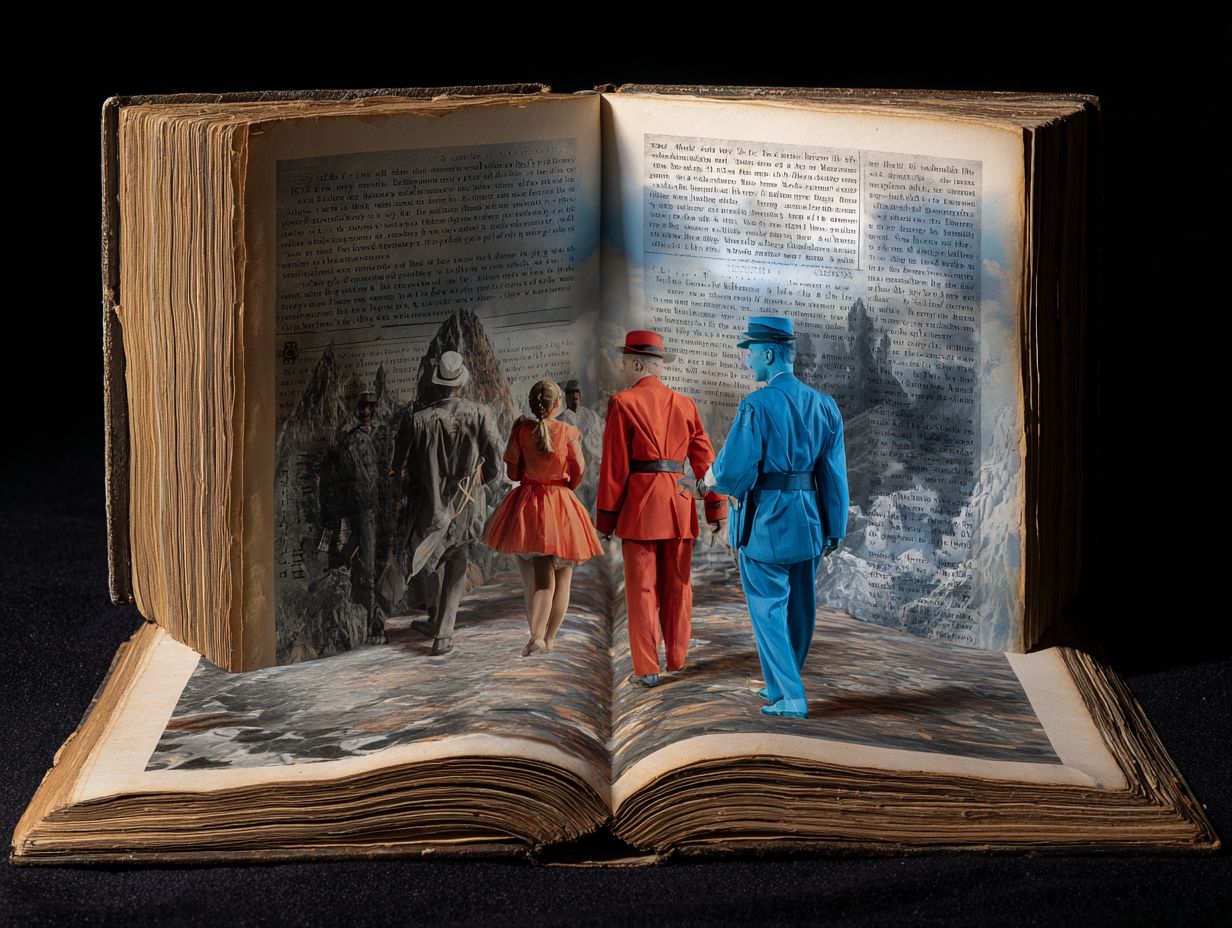
Doing a book justice in an adaptation means staying true to the core elements and themes of the book while also making necessary changes for the medium of film or television.
How important is it for an adaptation to stay faithful to the source material?
While it is important for an adaptation to honor the source material, it is also important for it to stand on its own as a separate work of art. Some changes may need to be made in order to translate the story effectively to the screen.
Do all adaptations have to follow the book exactly?
No, not all adaptations need to follow the book exactly. Some changes may be necessary for the adaptation to work in a different medium, or for the story to appeal to a wider audience.
What are some common challenges faced when adapting a book for the screen?
One of the biggest challenges is condensing a long and complex book into a shorter film or series without losing important plot points or character development. Another challenge is translating internal thoughts and emotions from the book into visual storytelling.
What are some examples of successful book-to-screen adaptations?
Some successful adaptations include “The Lord of the Rings” trilogy, “To Kill a Mockingbird and “Harry Potter and the Sorcerer’s Stone”. These adaptations stayed true to the essence of the books while also making necessary changes for the film medium.
What are some examples of adaptations that did not do the book justice?
There have been many adaptations over the years that have received criticism for not capturing the essence of the book or making too many changes. Some examples include “Percy Jackson and the Lightning Thief” and “The Golden Compass”.